CASE STUDY
A Speculative Prosthetic Service System for the Submerged World.
VR / Immersive Experience
Service Design
Speculative Design
Unity Development
Solo project
Prototype complete
Overview
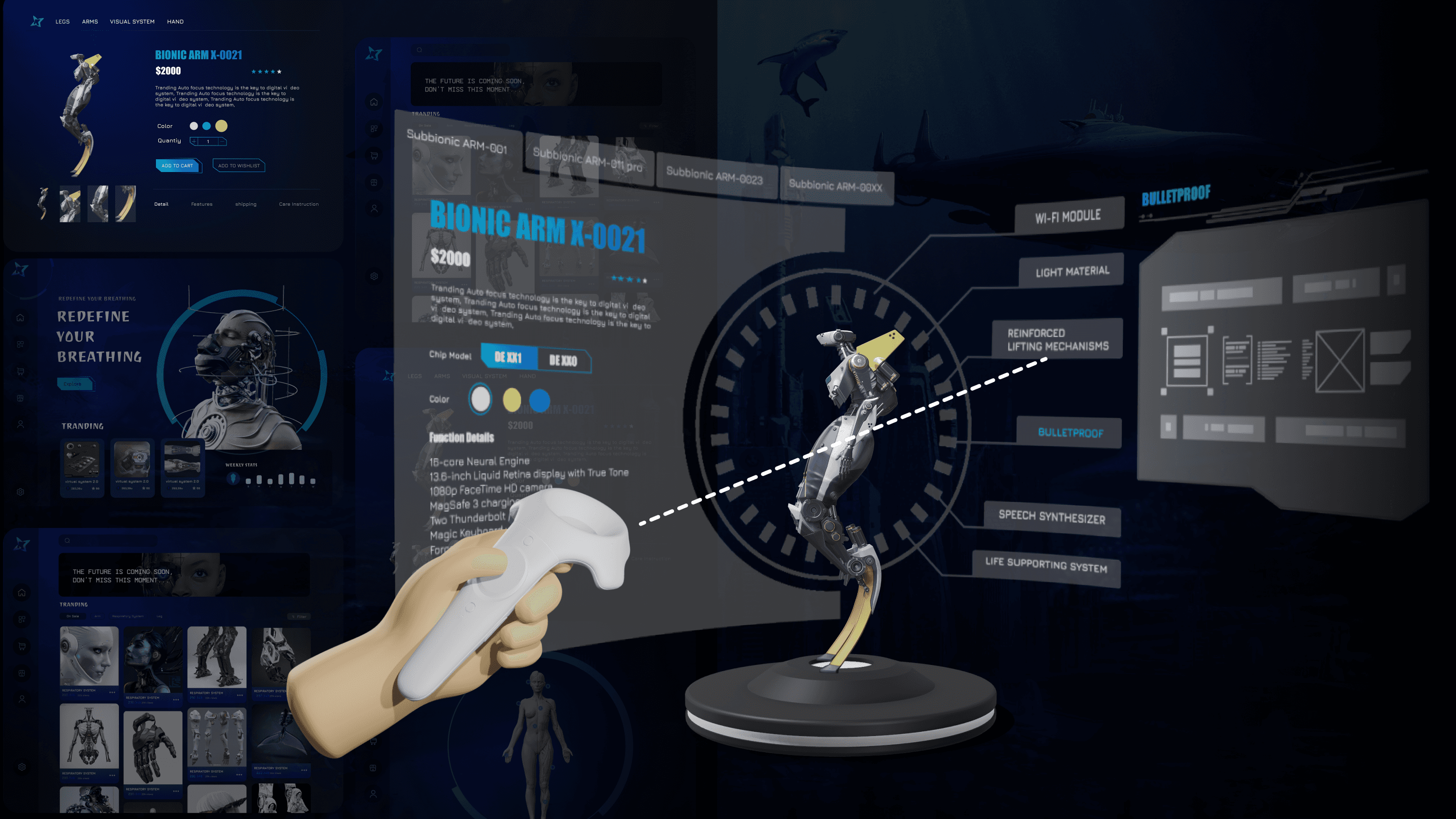
What does a shopping cart look like when what you're buying is the right to breathe? ADAPT is a speculative VR store and service system set in 2072, where climate change has driven humanity underwater and survival requires purchasing a new body. Same interface, same store — but your social class, assigned before you enter, determines what world you actually experience.
MY ROLE
tool
Unity · XR Interaction Toolkit · Shapr3D · Figma · Xmind
Duration
6 Weeks
year
2022
A video demonstration of this process available.
Origin
This project didn't start in 2022. It started in 2019, when I worked with DeepSea Indie Studio We built an RPG mystery game set in an underwater city — a world where rising seas had swallowed the land, and humanity had retreated to the ocean floor. I designed its politics, its class structures, its technology. One detail stuck with me: in this future, prosthetics were everywhere. Not as disability aids, but as survival infrastructure. People modified their bodies because the environment demanded it.
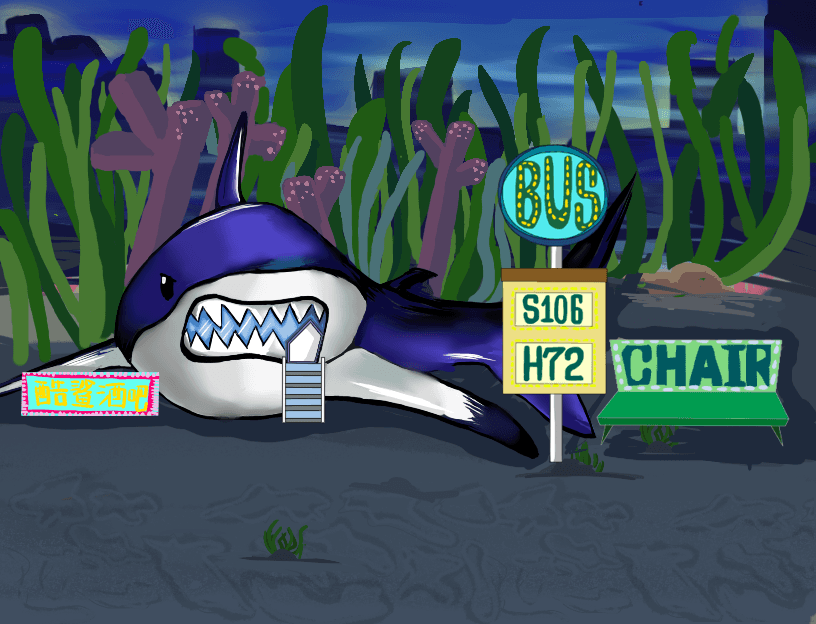
REGENERATION

Go to other project to learn more about the game
Then 2022 happened. Wildfires across China and the United States. Record-breaking heat in Canada and California. The World Meteorological Organization confirmed that the climate indicators were deteriorating faster than projected. The world I had imagined as fiction was visibly, measurably arriving.
I decided to bring the world back — not as a game sequel, but as a designed experience. As a designer, I wanted to say something. The question was how.
DESIGN QUEATION
If the future forces humans to modify their bodies to survive, what does the commercial system around that look like? And what does it feel like to be a consumer inside it?
This question has two layers.
The first is world-building: design a believable, internally coherent system.
The second is critical: make the person experiencing it uncomfortable in the right way — not because the world is grotesque, but because it feels too familiar.
Research & World-Building
I grounded the fiction in real data. The 2022 WMO report. Glacier melt rates doubling since 1931. Wildfires cutting off 66 rivers in Chongqing. These weren't backdrop — they were the brief.
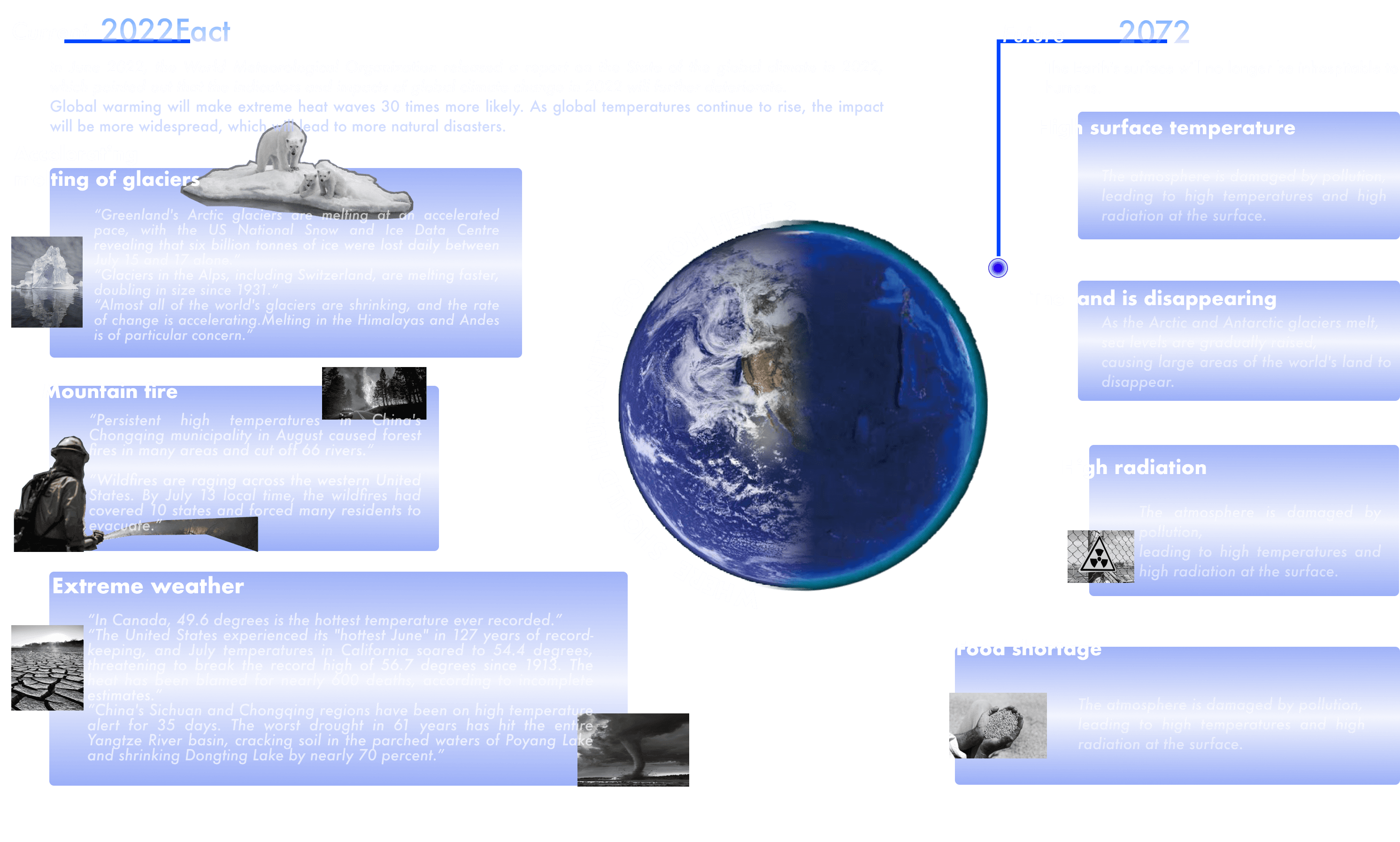
From there, I mapped three possible futures for 2072: high surface temperatures making land uninhabitable, disappearing landmass from rising seas, and high radiation from atmospheric damage. I chose the underwater scenario not because it was the most dramatic, but because it was the most designable — underwater cities already exist in prototype form today. The fiction was close enough to touch.
Outer space
Underwater
Underground

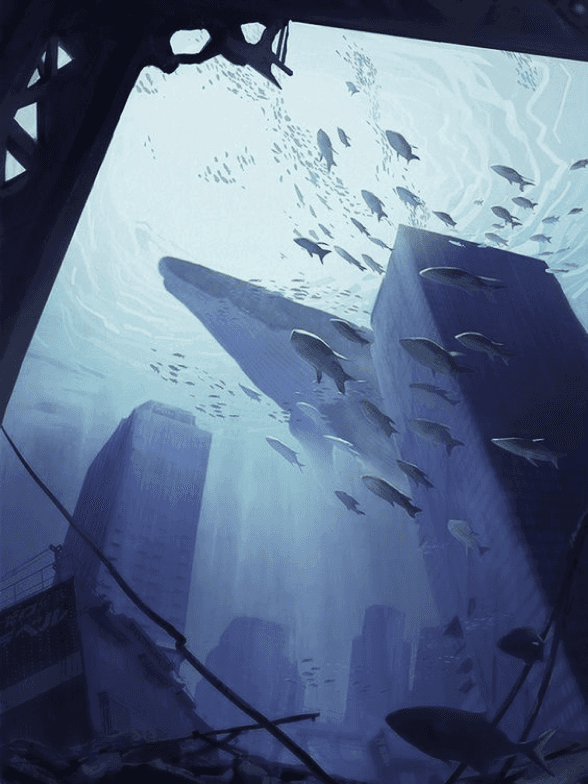
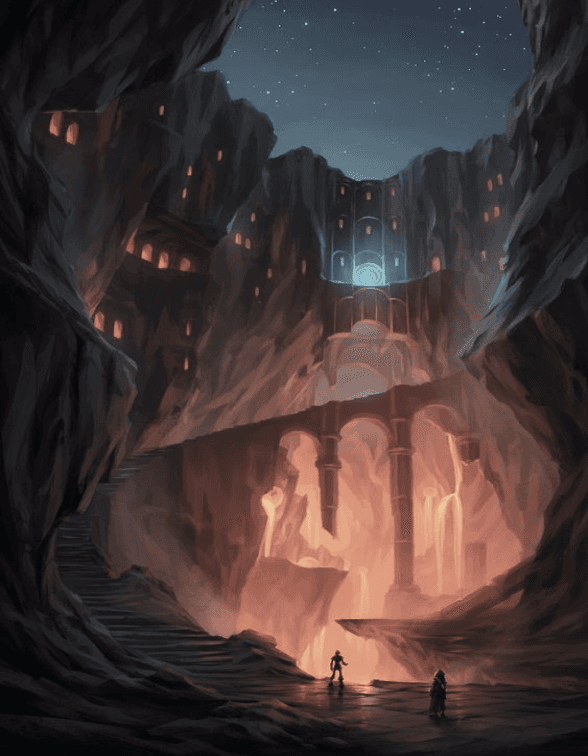
Human beings have long had many ideas about alien migration. For example, Musk plans to send one million people to Mars to establish a second human base on Mars and improve related infrastructure.Oxygen and energy are two of the biggest challenges for a normal life on Mars.
Luckily, miracles seem easier to create in deep water than in space! Today, underwater architecture is no longer a rarity, with many high-end hotels, villas and restaurants dotted around the globe. In addition, as populations and cities grow, the sea is likely to be the alternative for tomorrow's urban development.
Coober Pedy, a small town in southern Australia, is hot and inhospitable, with surface temperatures reaching 50 degrees Celsius. But instead of leaving, local residents chose to move "down."

If in 2072,
What happens when humans choose to build cities UNDER THE SEA in order to survive?
Concept Building
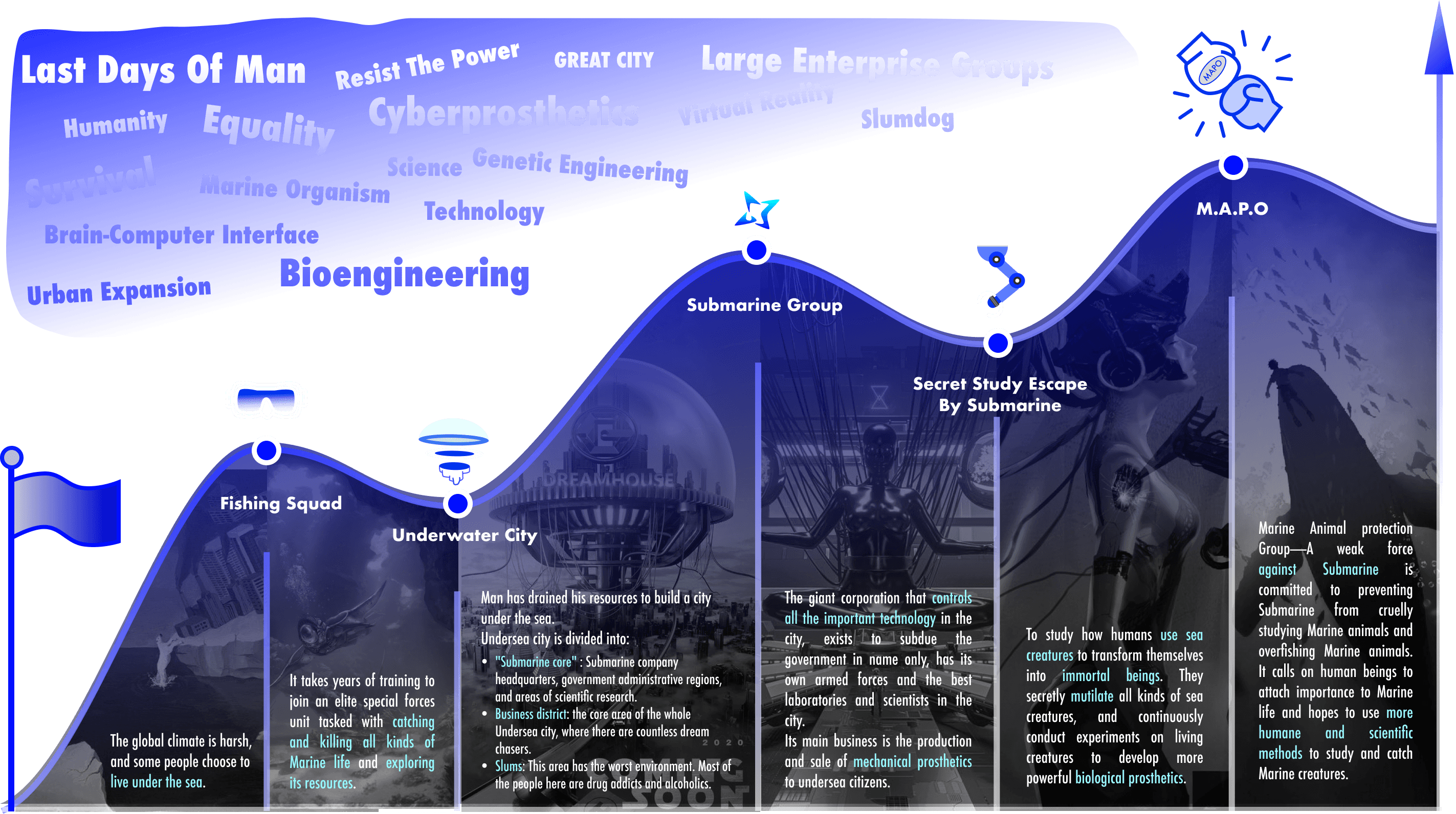
I then built the world's social structure: a Fishing Squad supplying the city, an Underwater City divided into corporate core and slums, a Submarine Group controlling all critical technology, and M.A.P.O — a fringe group trying to protect marine life from human exploitation. The prosthetic industry sat at the center of this power structure, controlled by the same corporation that controlled everything else.
Based on the above scenario, humans retreat to the bottom of the ocean and use their imagination to construct a virtual world view.
Key references
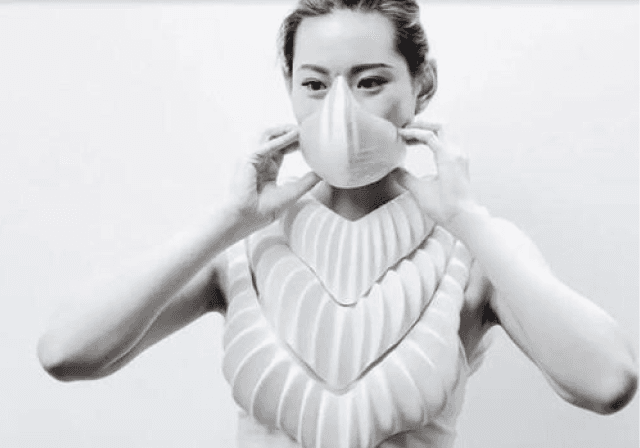
Jun Kamei's Amphibio bionic gills - Proof that prosthetic breathing is not science fiction
Bionic designer and materials scientist Jun Kamei has developed Amphibio Bionic Artificial gills, a lightweight 3D-printed vest made of polymer.
These air bags cover the nose and mouth and take in oxygen from the water to help the person breathe. The purpose of using bionic gills is to allow us to stay underwater longer with lighter devices.
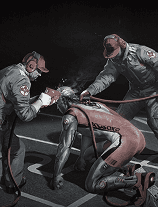
Cyberpunk 2077 - How body modification becomes normalized commerce
The grafting of artificial objects onto the wearer has become commonplace in the game's worldview.
Cyberprosthesis is a revolutionary evolution in medical prosthesis technology. Senses are mainly used to replace damaged or missing organs and limbs.
In 2077, cybersense is widely used in all aspects of life for people at all levels of society. From military, medical, manufacturing to family life and even sex and entertainment.
In the future, we can take this idea from the prosthesis and use the bio-prosthesis human body modification technology to bioengineer organs and create artificial gills to help humans breathe freely at the bottom of the sea.
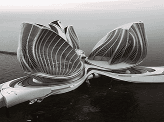
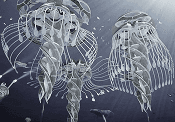
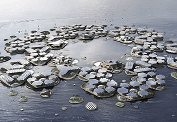
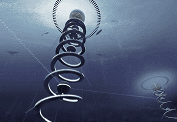
Underwater urbanism as near-future reality
Some of the buildings on the ocean have been designed with the idea that by 2050, 90 percent of the world's largest cities will face rising sea levels,Can we create a city that lives with the ocean? Oceanix City?I've come up with key words that are common to these projects:
Self-circulation: In order to realize self-circulation, planting system, waste treatment system and energy system should be considered to form a self-sustaining organism;
Sharing: Sharing mode connects everything here;
Modularity: Modular housing, cooperative Spaces, laboratories, recycling factories, science laboratories, educational hotels, sports fields, farms and plant essence ponds are stacked one after another.
brainstroming
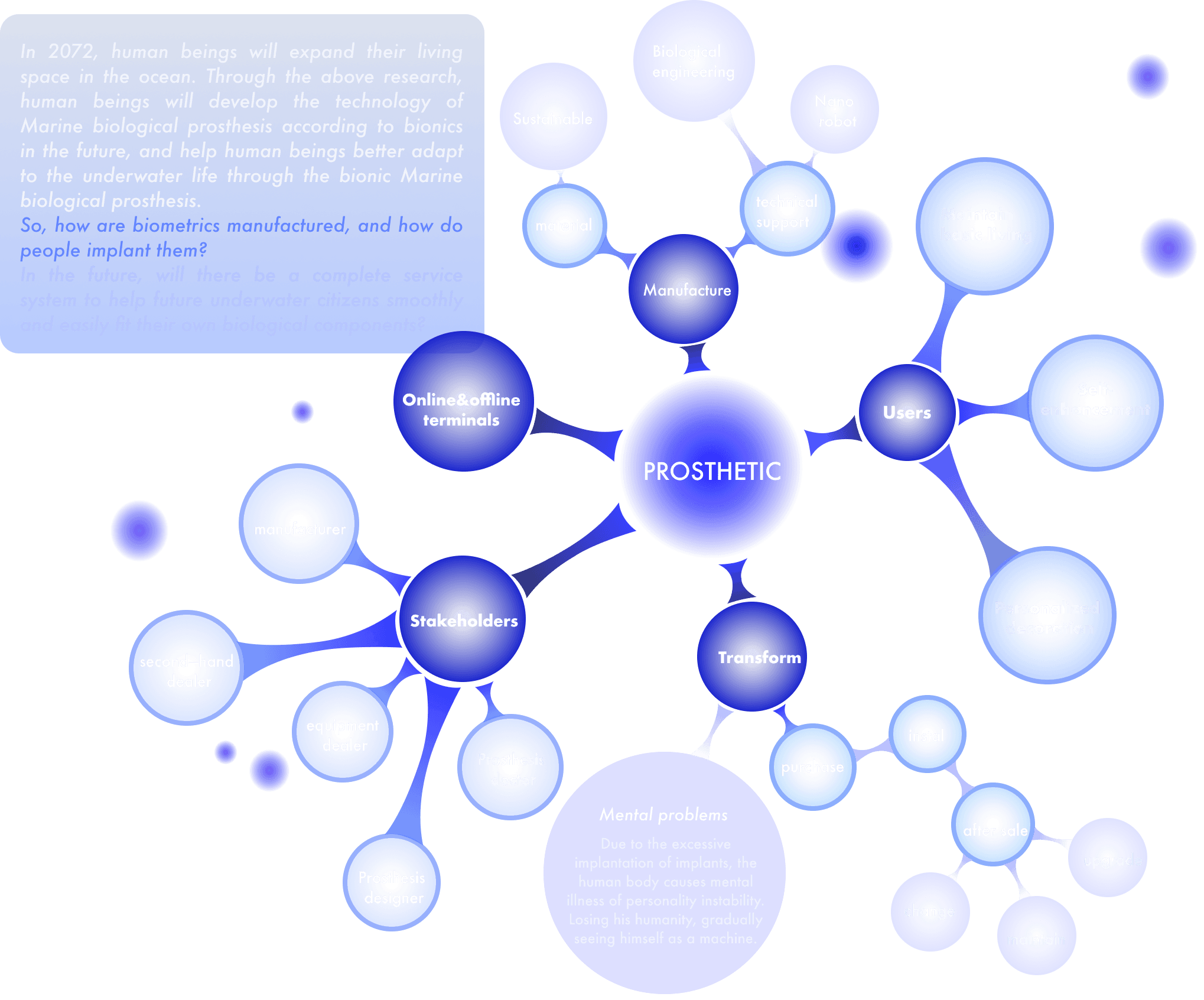
Target Groups
I deliberately avoided designing a single "average user." The entire argument of this world is that survival is unequal — your relationship to prosthetics depends entirely on your class position.
Three groups emerged, each with a radically different relationship to body modification:
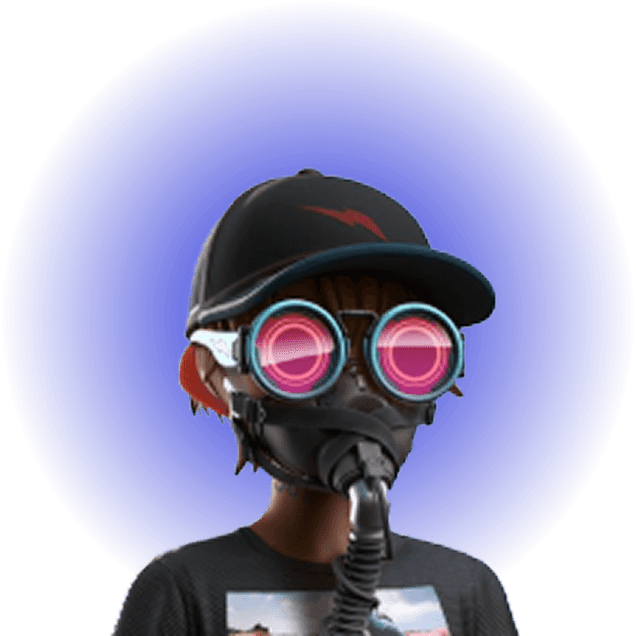
Ordinary Seafloor Citizens
install prosthetic gills and enhanced eyes not out of desire, but desperation. The body is upgraded because breathing requires it. This is survival as product purchase.
Maintain basic life under the sea
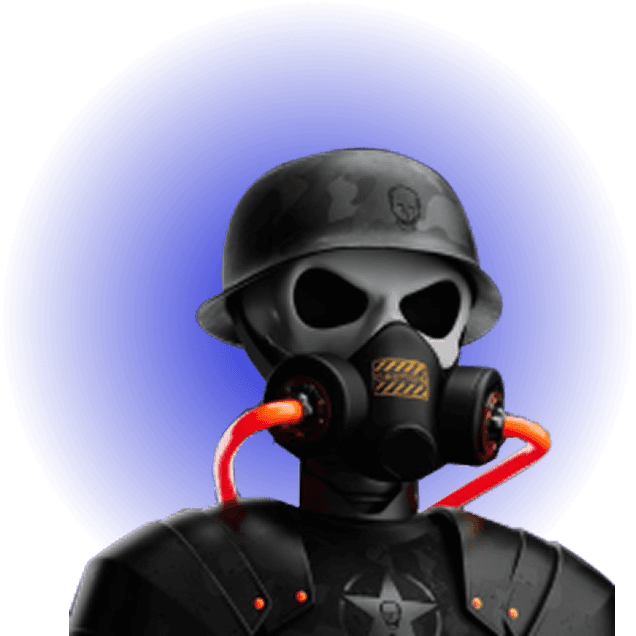
Special Occupational Groups
undergo certified ability enhancements — weight-bearing arms, pressure-resistant skin — to remain competitive in the labor market. The body is human capital, optimized for employment. Modification here requires passing a qualification audit, a bureaucratic layer that mirrors real-world credentialism.
Self enhancement
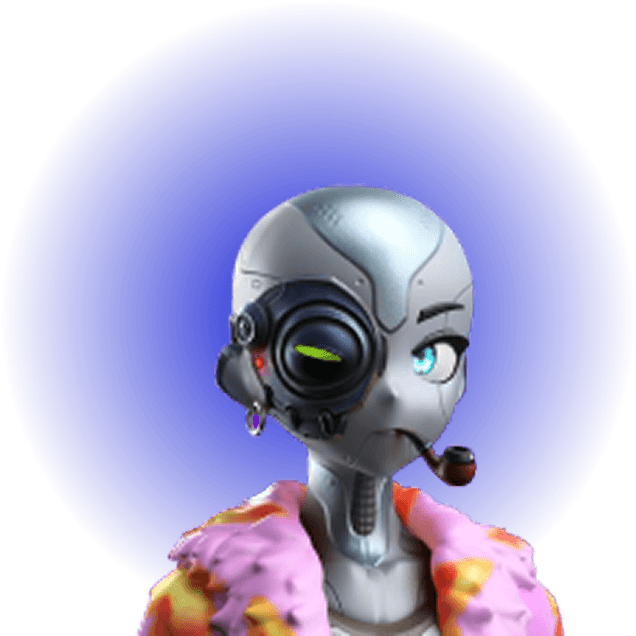
Upper Class
choose grotesque, extravagant custom prosthetics to signal status. Most of these modifications serve no functional purpose. The body becomes a luxury object — personalized, conspicuous, disposable.
Aesthetic Pursuit
The class design decision
I considered building differentiated interfaces for each user group — different store environments, different product presentations.
So I made a different call: keep the interface identical for everyone, and let the world's logic do the work instead.
This turned out to be the more honest design — and the more critical one. You don't need to design discrimination. The system does it automatically. The store treats everyone identically; the world does not.
The Identity Mechanism
The store looks identical for everyone. That was a deliberate choice — and the core of the critique.
Before entering the VR store, users encounter an NPC. The conversation feels casual — a few questions about how you live, what you do, what you need. What users don't know is that their answers are being read. Based on how they respond, the system assigns them an identity: Ordinary Seafloor Citizen, Special Occupational Group, or Upper Class. No one tells them which one they've become.
Then they walk into the same store.
What happens next depends entirely on who they've become:
An Ordinary Citizen can browse everything — but the high-end prosthetics are priced far beyond reach. The basic respiratory unit is affordable. The premium bionic arm is not. They can see it, read its specs, even add it to their wishlist. They just can't buy it. The store never tells them no. The price does.
A Special Occupational Worker encounters locked products — certain high-performance modifications require a qualification certificate to unlock. The bureaucratic gate is built into the browsing experience. You can see that something exists behind the lock. You just don't have the credential to open it.
The Upper Class sees a door the others don't notice — the private customization entrance, where fully bespoke prosthetic bodies are configured from scratch. No price tags. A consultation instead of a cart.
The same products. The same interface. Three completely different experiences of the world.
This is the mechanism that makes reflection possible. Users who were assigned "Ordinary Citizen" don't feel discriminated against by the design — they feel it through the world's logic. The discomfort isn't delivered as a message. It's delivered as an experience of limitation.
And because no one knows which identity they received until they compare notes with other participants, the conversation that happens after the experience is the real design. People realize they were in the same store, but not in the same world. That realization — that equal-looking systems produce unequal outcomes — is the argument this project was built to make.
System Design
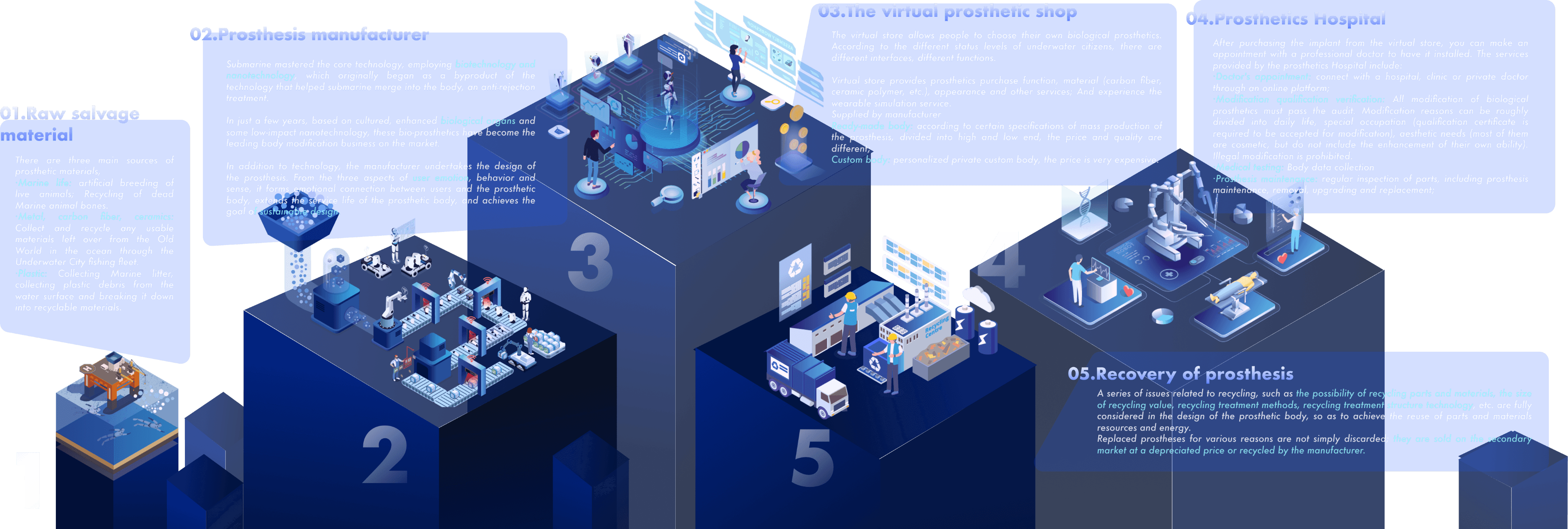
The full system spans five stages:
01. Raw Material Salvage —> 02. Prosthetic Manufacturer —> 03. The Virtual Prosthetic Shop —> 04. Prosthetics Hospital —> 05. Recovery & Recycling
Why design a system larger than the prototype?
The VR store is one touchpoint. I designed the entire ecosystem first — not because it was required, but because every decision inside the store needed to be grounded in a coherent world logic. If I didn't know where the prosthetics came from, I couldn't design what they cost. If I didn't know how installation worked, I couldn't design what the purchase confirmation meant.
Service Buleprint
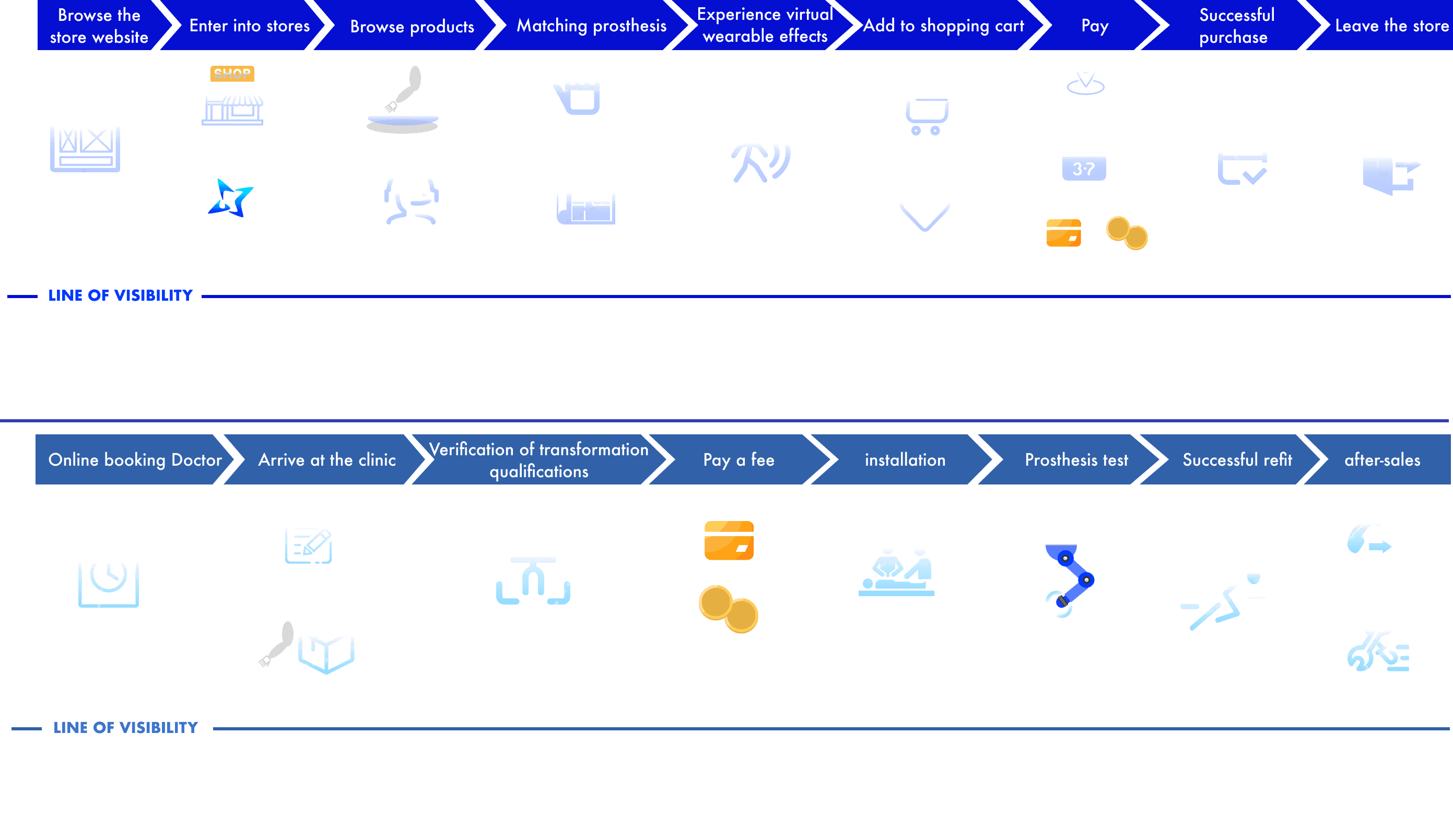
The blueprint maps two complete user journeys, each with front-stage and back-stage operations.
Designing both journeys mattered even though only the online one was prototyped. The seam between them — digital purchase and physical installation — is where the critique is most concentrated. You buy it like a product. You receive it like a surgery. That transition is the argument.
Design Process
Touchpoint Idation
Online Terminal
Interface Prototype
Space Planning
Implementation
Storyboard
Design Reflection
The Key Design Decision
The Entry Point Decision
Why a store?
Why consumption as the experience?
I considered other entry points — a narrative walkthrough of the city, a combat scenario, an environmental exploration. I chose the store because of a specific insight: buying something is the most universal human behavior. Shopping, comparing prices, adding to cart — these are actions so deeply familiar that people perform them on autopilot.
That autopilot is the design. When you're casually browsing "Bionic Arm X-0021" the same way you'd browse a jacket, the critique lands without announcement: you've already accepted the premise. The discomfort comes after, not during.
The familiar gesture carries the unfamiliar world. That was the design principle for everything that followed.
The Meduim Decision
Why VR?
And why did the first version fail?
VR was chosen for a specific reason: the project is set in a future where the boundary between physical and virtual is already blurred — a world where people buy bodies online the way we buy clothes. The medium needed to embody that blurring. VR, at the moment of the metaverse conversation, was the most credible way to let someone feel like they were inside a future that hasn't arrived yet.
My first version was a flat VR app — essentially a 2D interface floating in a headset. When I tested it, I realized I'd made a category error. If the experience is just a UI, the VR device is a gimmick. You could achieve the same thing with a website. The whole point of VR is that you have a body in space — you move, you reach, you stand in front of things.
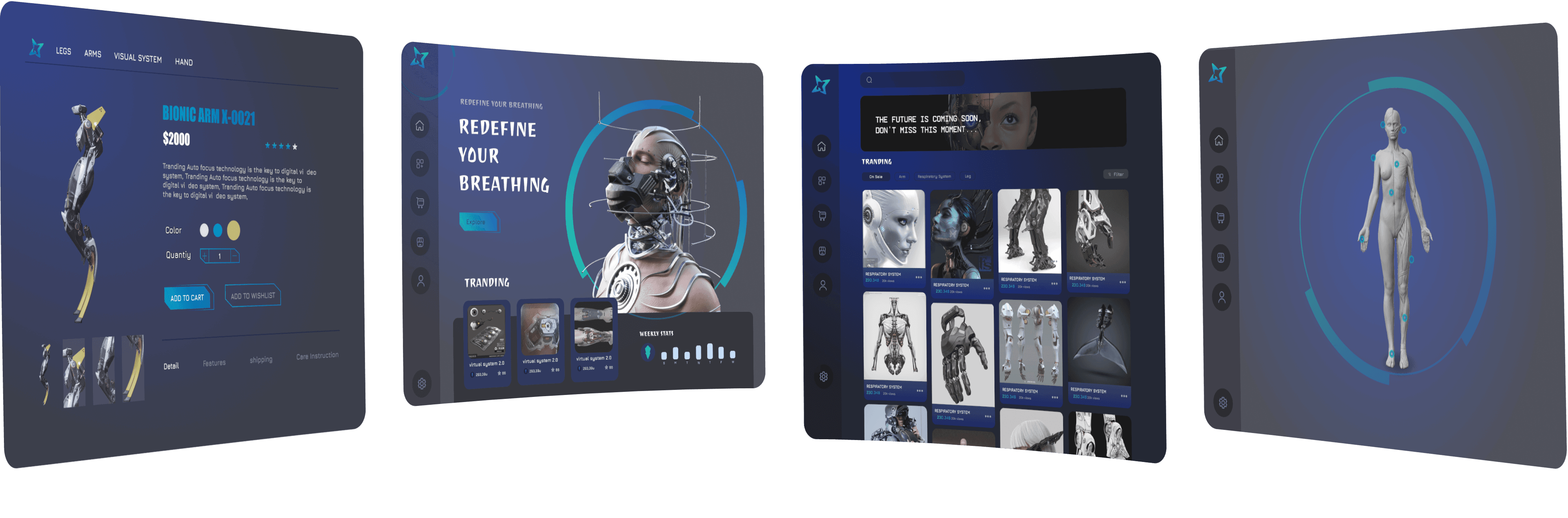
The 1st Version
I scrapped the app and rebuilt it as a physical store environment. Each touchpoint from the service blueprint was mapped onto a spatial zone: exhibition stands for browsing, a doctor appointment area, a payment zone. The layout was modeled on real retail logic — familiar enough to navigate, strange enough to remind you that you're shopping for body parts.miliar gesture carries the unfamiliar world. That was the design principle for everything that followed.
The medium became the message. You're not browsing a website about prosthetics. You're walking into a store to buy a new body part.
What Comes After the Project
What I'd Do Differneretly
One unresolved design challenge was onboarding. In a conventional app, tooltips and tutorials are standard. But in a world where you're supposed to already be an underwater citizen, explicit instructions break the fiction. I didn't solve this within the project timeline.
It points to a deeper question I'd explore next: how do you teach someone to inhabit a world without reminding them it's designed?
Reflection
When I was seriously designing this system, I realized that what I was building was exactly what I wanted to criticize.
Inequality is a byproduct of the system, not the intention of the design. The identity mechanism revealed it most clearly. I built one store. Everyone walks through the same door, sees the same interface, browses the same products. And yet the experience is completely different depending on who you were assigned to be — before you even entered. Some people can't afford what they can see. Some people can't see what exists behind a credential lock. Some people find a door others didn't notice.
No one designed that inequality. The system produced it — through price, through credentialing, through the quiet architecture of access. In an ordinary market, this is unremarkable: luxury goods and budget goods have always coexisted. But in this world, what's being tiered isn't clothing or cars. It's the ability to breathe. To move. To survive. When consumer logic reaches survival itself — when living has a basic edition and a premium edition — the system reveals what it always was. That's the reflection I want people to leave with: it's not that the design is cruel. It's that the design is normal. And normal, here, is the problem.
The more seamless and intuitive that system becomes, the more invisible its implications are. A well-designed store doesn't feel like a trap. It feels like a service. Good UX, in this world, is complicit.
In ADAPT, the stores are intentionally designed to look attractive and functional. The goal isn’t to make people feel comfortable—it’s to make the idea of buying body parts feel normal. And before they really stop to think about it, they’ve already put prosthetics in their cart.
This is what I want people to feel when they leave — not horror, but recognition. The future in ADAPT didn't arrive from nowhere. It started with the decisions being made right now: the emissions, the inaction, the slow normalization of accelerating disaster. The underwater city, the prosthetic gills, the shopping cart full of body parts, and the three completely different lives lived inside the same store — none of it is a fictional novel. It's just the logical conclusion of a path already taken.
The experience is designed to feel ordinary. That's the most unsettling part. If you walked through the store and it felt like shopping — if you browsed the prosthetics the way you'd browse a jacket — then the project worked. Because that ease, that familiarity, is exactly the attitude that makes this future possible.
This project is a design of that system. Built carefully. Made beautiful. Offered as a service.
ADAPT, 2022–2023
People doubted
Designing for the poor and designing for the rich have different positions and different designs. How could this have anything to do with fairness?
In the real world, designing different products for different consumer tiers is a completely normal business logic. H&M and Hermès both make clothes, but with different positioning, different design, and different pricing, and no one calls that unfair.
But there is one crucial difference in this project: prosthetics are not clothing.
Clothing is optional. If you cannot afford Hermès, you can wear H&M and still live your life.
But in the world of ADAPT, prosthetics are survival infrastructure. Ordinary citizens buy gills not because they want to, but because without them, they cannot breathe. Once that is the premise, the meaning of “designing different products for different consumer tiers” fundamentally changes. It is no longer market segmentation. It becomes the pricing of the right to survive.
What poor people can afford is a basic breathing system. What the wealthy buy is a customized body and a symbol of status. On the surface, both are forms of “consumption,” but one is about staying alive, while the other is about display.
That is what my project is really critiquing. It is not the act of designing different products for rich and poor in itself. It is the way this logic of consumption, once extended to survival necessities, reveals its underlying truth: even staying alive has been commodified, with premium versions and basic versions.
So when I say, “good UX is complicit,” it does not mean designers are actively discriminating against the poor. It means that when we make this system feel seamless, rational, and natural, we are helping something deeply absurd become normalized— breathing now comes with a price tag.