CASE STUDY
An immersive VR experience exploring consciousness, life, and death through embodied gameplay.
VR / Immersive Experience
Interaction Design
Game Design
Hardware Design
3-person team · Team lead
Prototype complete
Overview
We will all lose someone. And when that moment comes, no one really knows what to do. No one teaches us how to face death — we're told to move on, but never told it's okay to stay with it for a while.
Never End was made to create that space. Not to heal. Not to answer anything. Just to let people feel, question, and imagine what we're usually too afraid to think about — by becoming something that isn't human.
MY ROLE
team
DeepSea Indie Game
Duration
8 Weeks
year
2022
A video demonstration of this process available.
Research & Discovery
We started with the wrong question.
The original question was: how do people cope with death?
But the more we surveyed, the more we ran workshops and listened to what people actually said when they let their guard down — the more we realized we were asking the wrong thing. People don't struggle with death because they lack coping strategies. They struggle because no one has ever given them a different way to think about it.

So we went back further.
If we want to rethink death — we first have to ask: what is death, actually?

Step 1 — What is death?
You cannot define death without first defining life. So we turned to biology — and found that science has a surprisingly specific answer. Life requires six conditions: metabolism, movement, growth and development, breeding, stress response, and communication.
Simple enough. Except — the more we looked, the more things qualified. Zhuangzi, writing in ancient China, had already arrived at this conclusion through philosophy rather than biology: "Heaven and earth came into being with me together, and with me, all things are one." The universe and human beings share the same origin. From this view, asking where life ends and non-life begins is like asking where the ocean ends and the water begins.
Step 2 — Where does life end?
We looked at Animism — one of humanity's oldest and most widespread world views, studied seriously in anthropology. It holds that everything in heaven and earth: animals, plants, weather, even buildings and words, carries a soul capable of thought and experience. Not as metaphor. As literal reality. Then we found Lawrence Krauss.
In Atom: An Odyssey from the Big Bang to Life on Earth, Krauss traces a single oxygen atom from the Big Bang through stellar explosions, ancient oceans, and eventually into a human body. His conclusion:
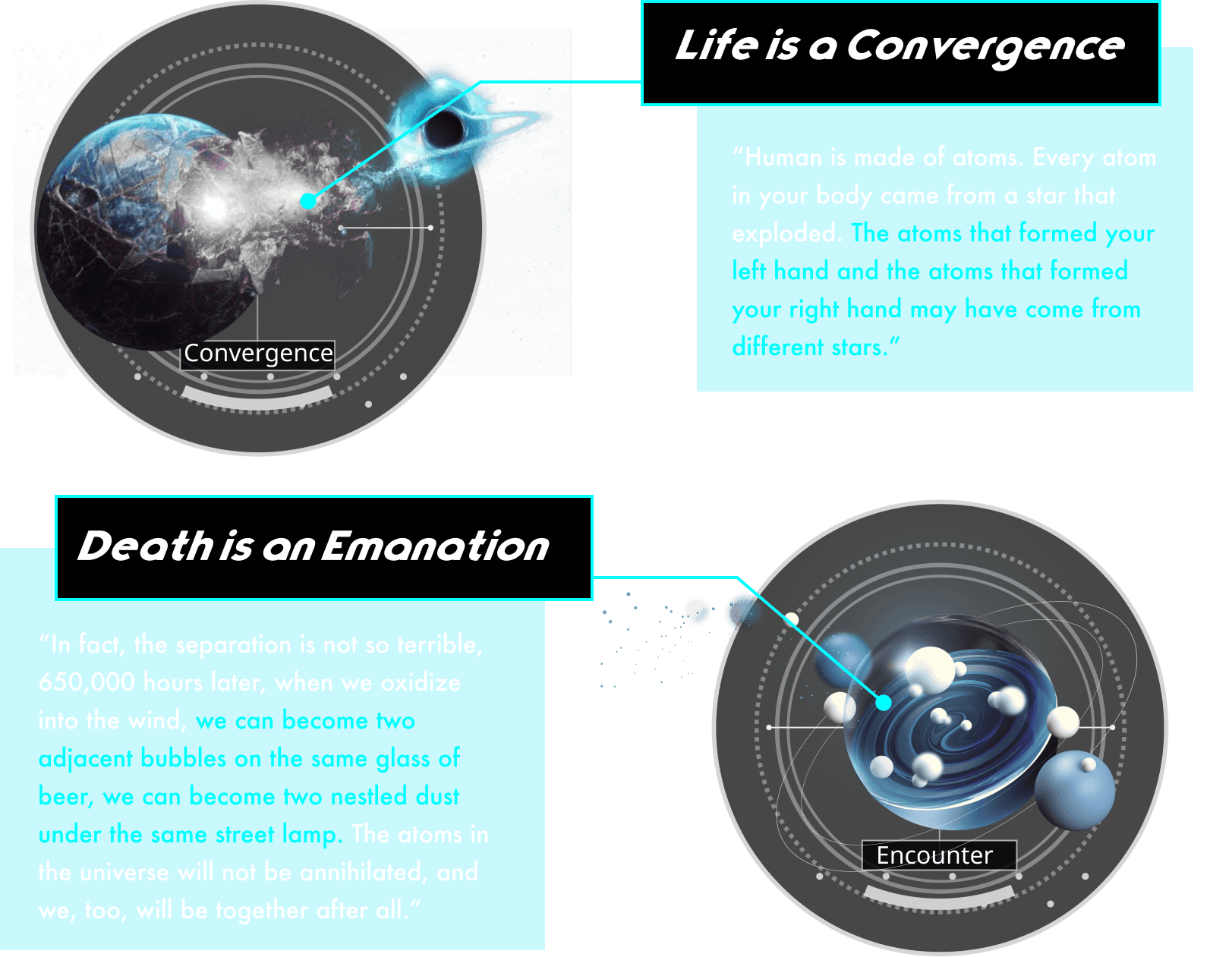
Then Roger Penrose and Stuart Hameroff proposed Orchestrated Objective Reduction(Quantum Soul) — the theory that human consciousness arises as a physical response to quantum mechanics, and that since the universe is materially immortal, consciousness itself does not "die out." It shifts. It disperses. It re-enters.
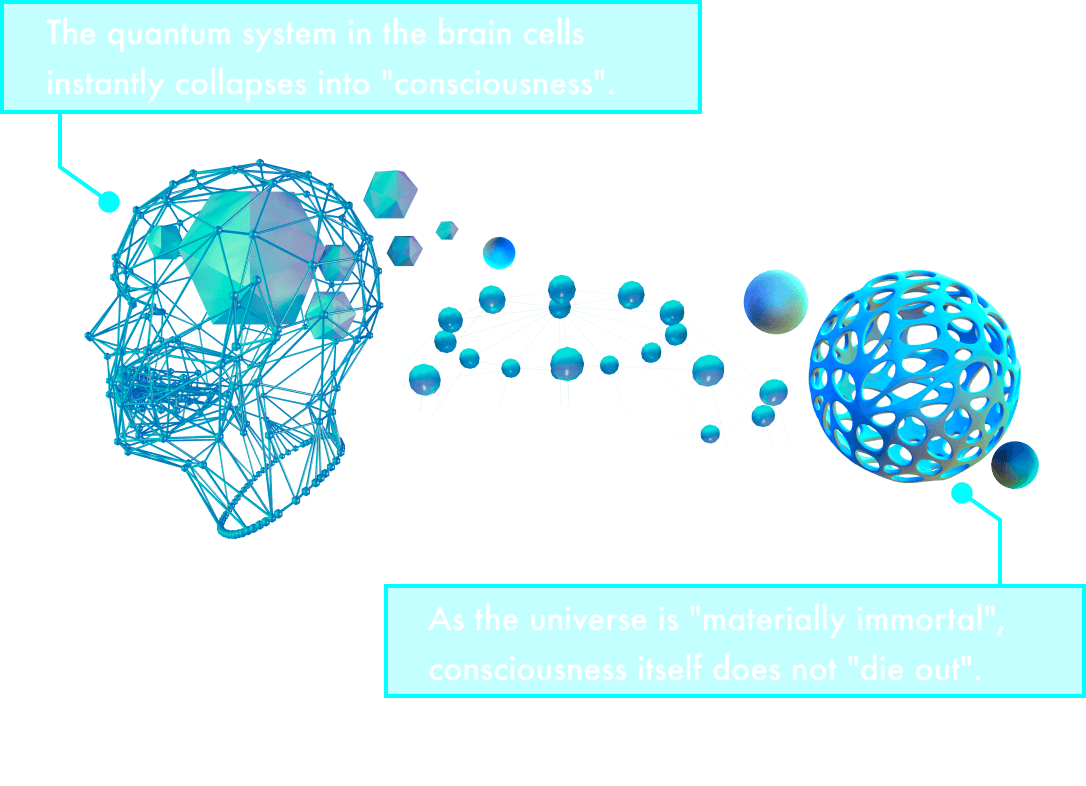
We had gone looking for where life ends. We couldn't find the boundary.
Step 3 — Did we draw that line ourselves?
If the boundary between living and non-living is something humans constructed — not something that exists in nature — then our fear of death is built on a premise that may not be true. We are afraid of an ending that, at the atomic level, at the quantum level, at the philosophical level, does not exist.
This left us with one question. Not a research question. A design question — the only one that mattered:
DESIGN QUEATION
If life has no boundary — what exactly are we afraid of? And could we build something that lets people feel that — not just think it?
Concept & World View
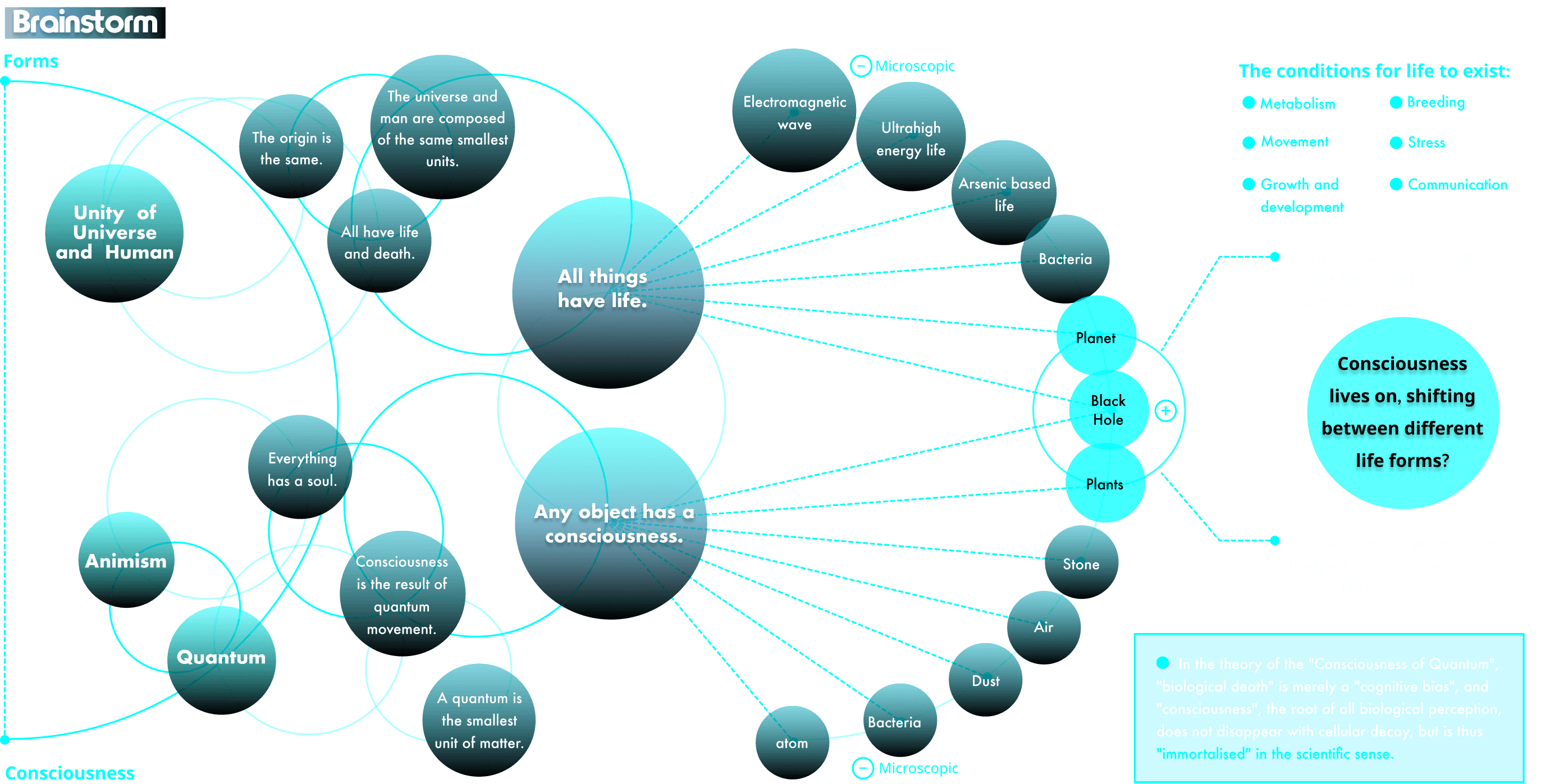
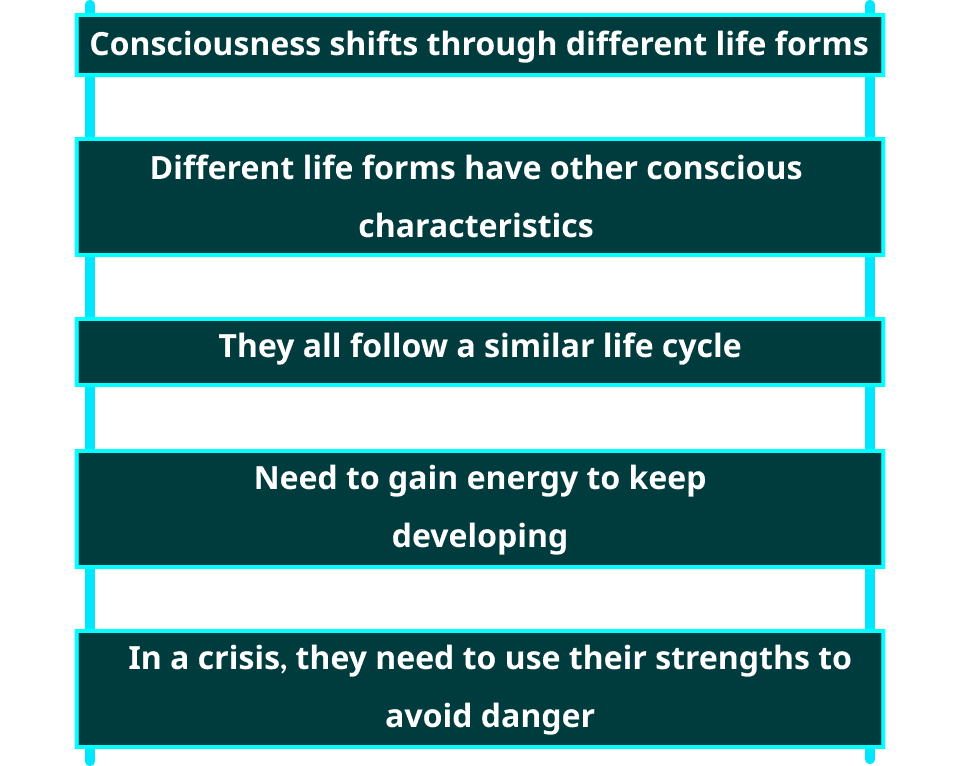
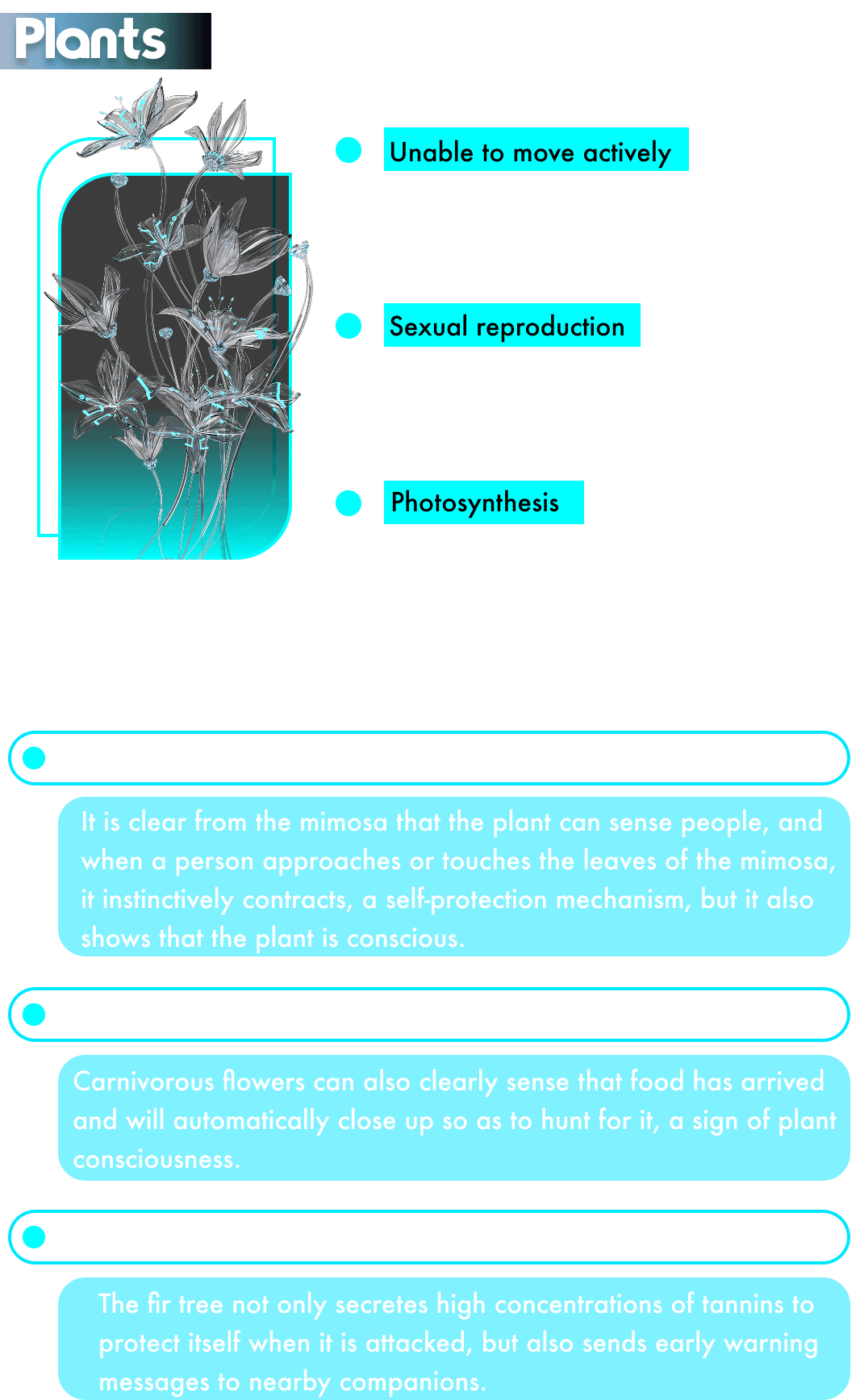
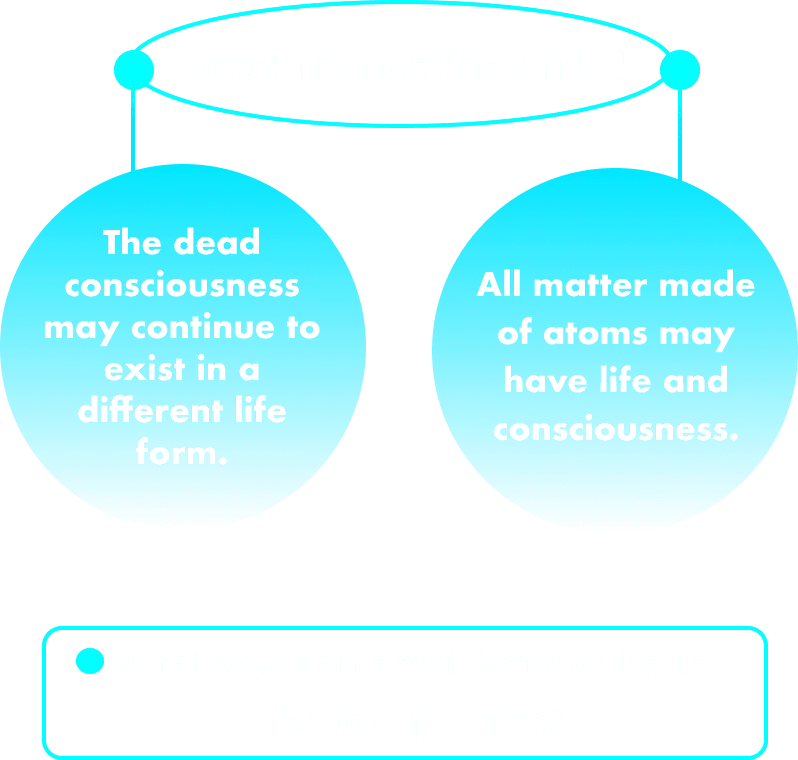
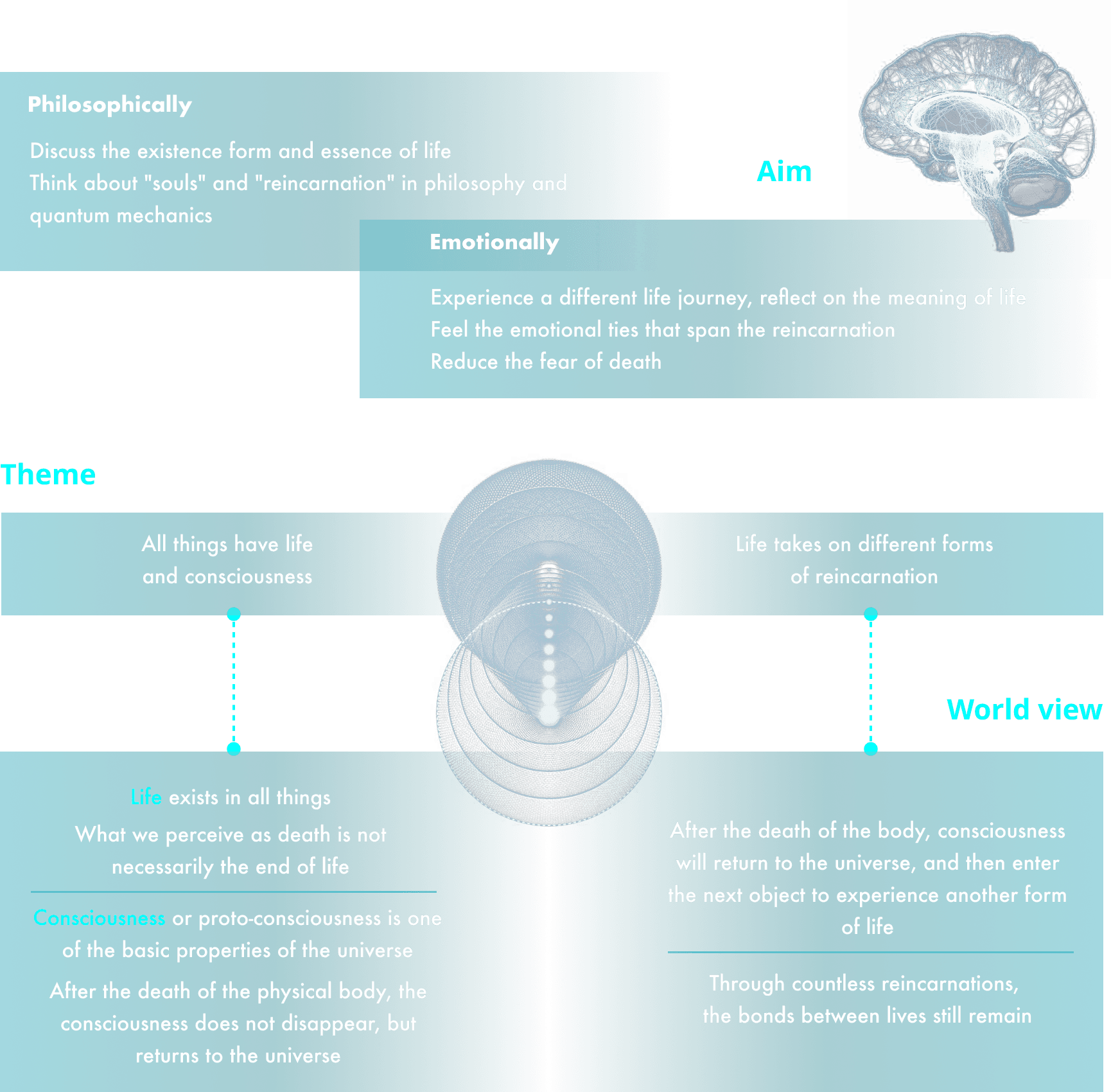
From the research, we built a world view with two pillars: all things carry life and consciousness, and life takes on different forms of reincarnation. After the death of the body, consciousness returns to the universe and enters a new vessel — carrying the bonds of previous lives.
This led to a central design decision: instead of asking players to reflect on death abstractly, give them a body — a non-human one — and let them live and die inside it.

Design Process
Concept Reference
Character Design
Animation
Scenario Design
UI Design
Hardware Prototype
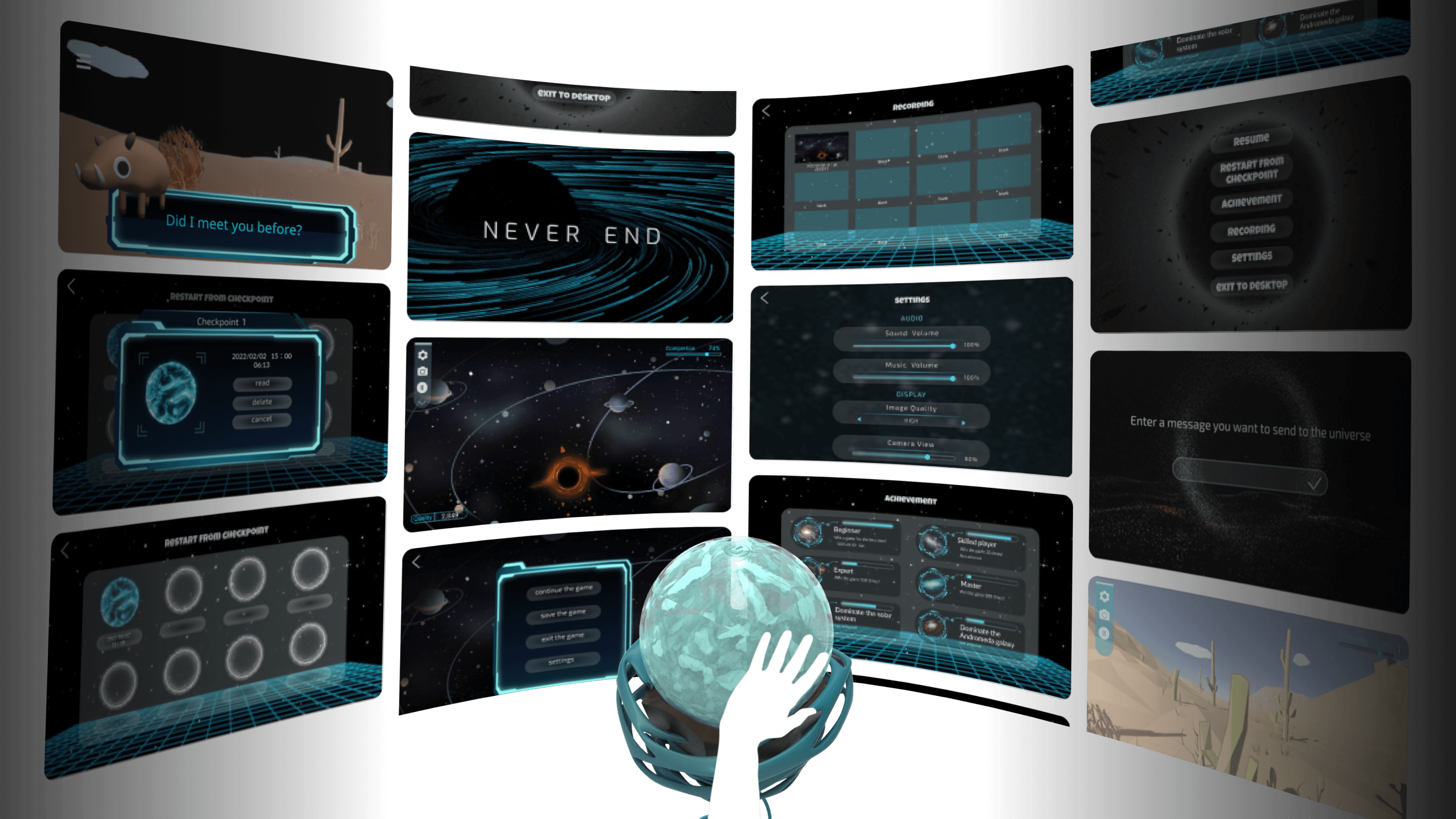
Game Functionality
Troubleshooting
Key Design Decisions
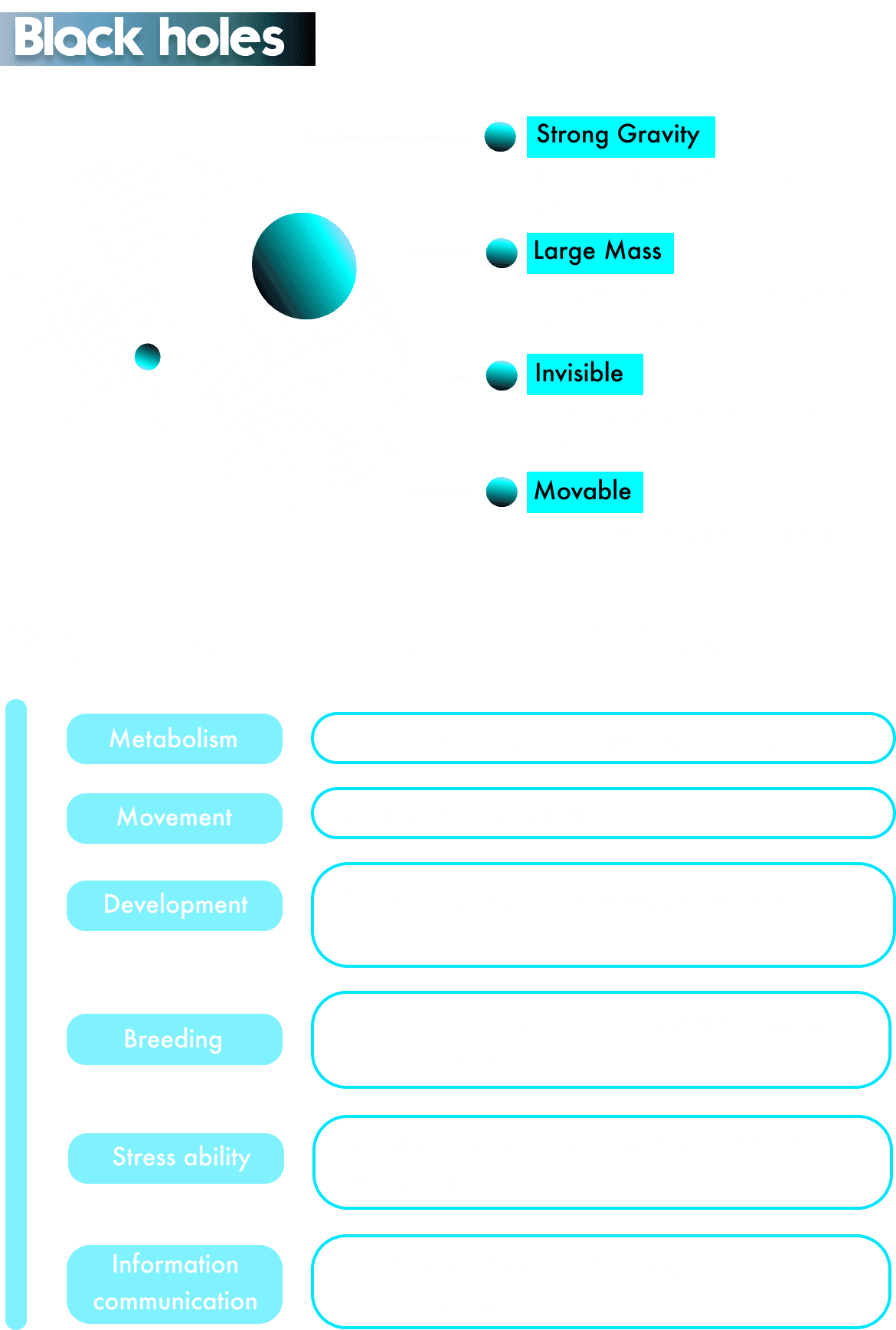
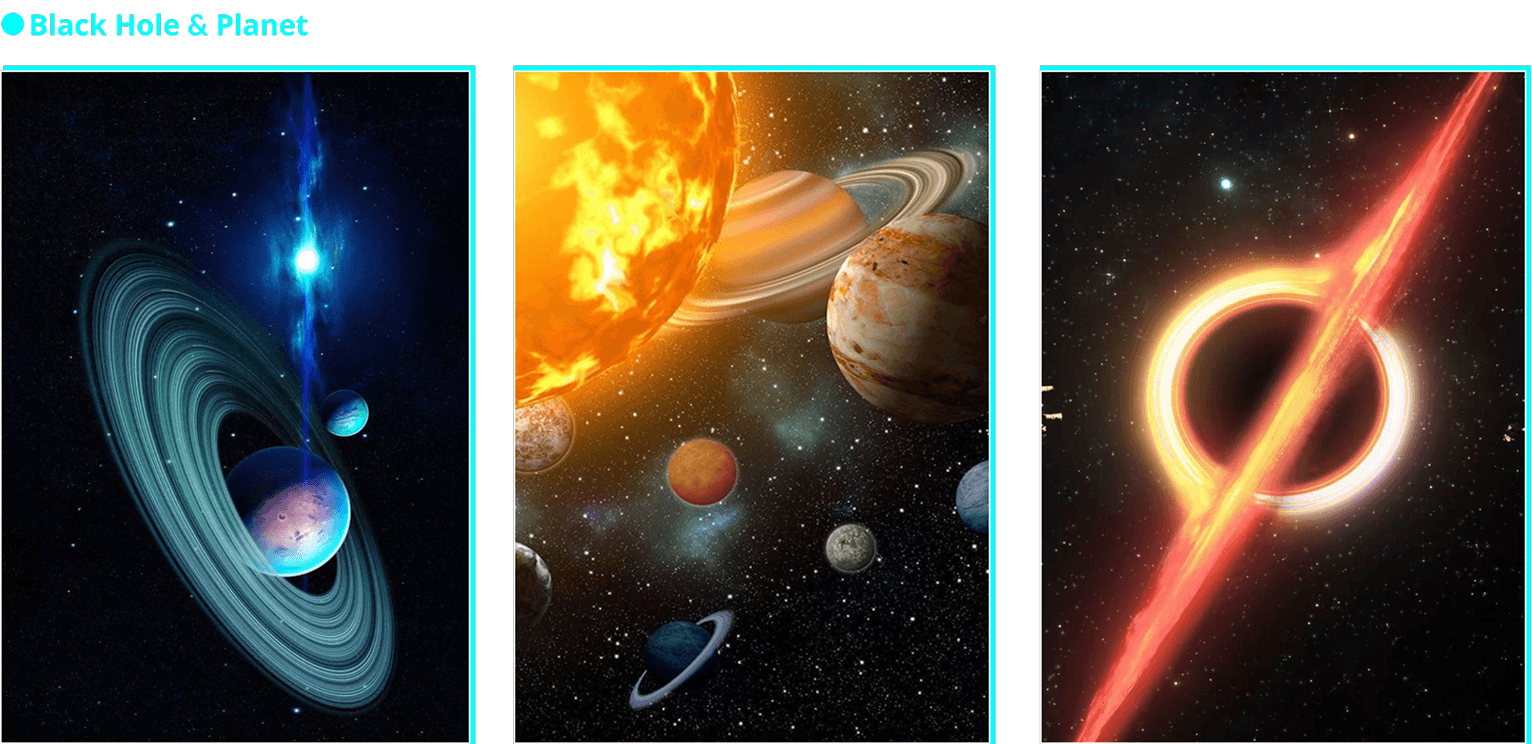
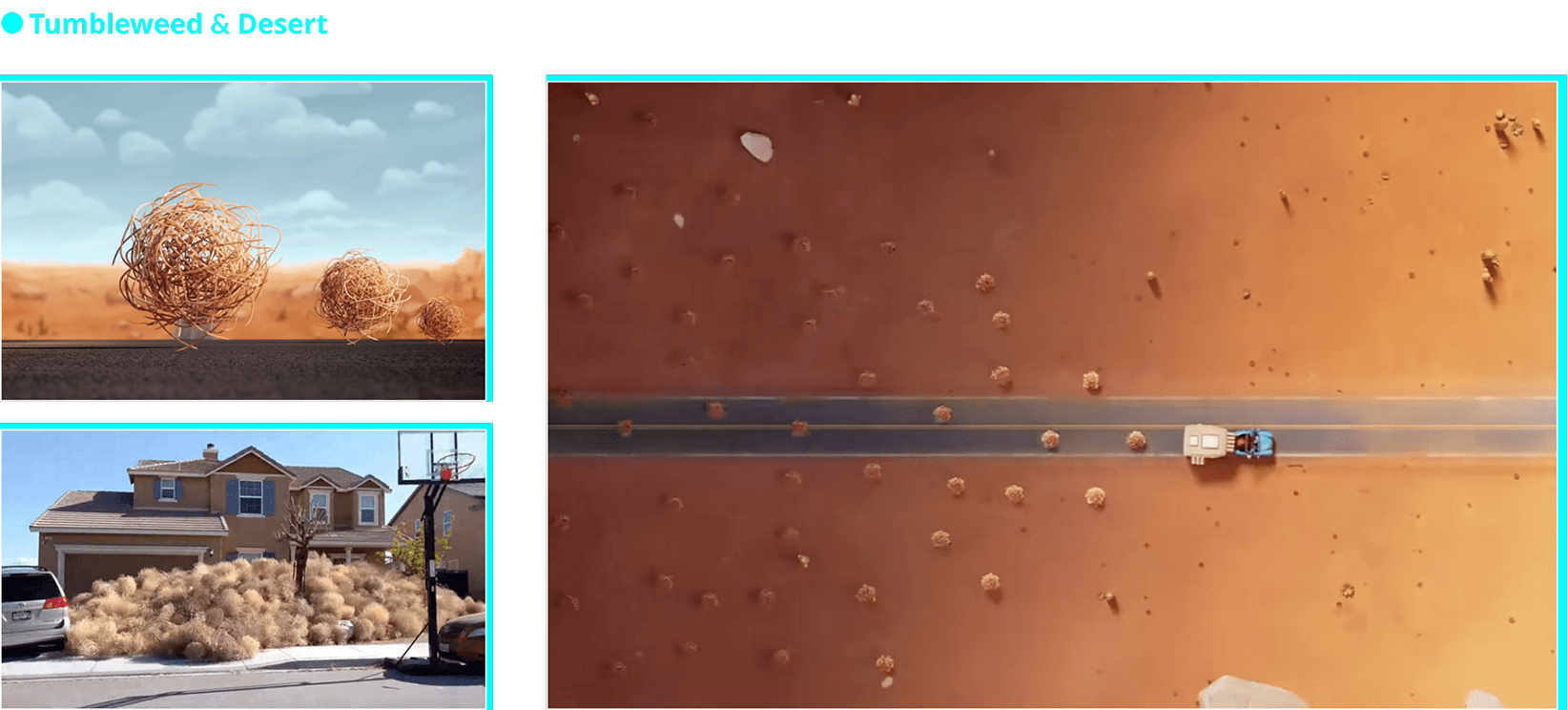
Both are things we instinctively don't think of as alive — a cosmic gravitational void and a dead plant rolling across a desert. That was the point. I wanted players to inhabit life forms on the outer edges of what we recognize as "living," to create genuine defamiliarization.
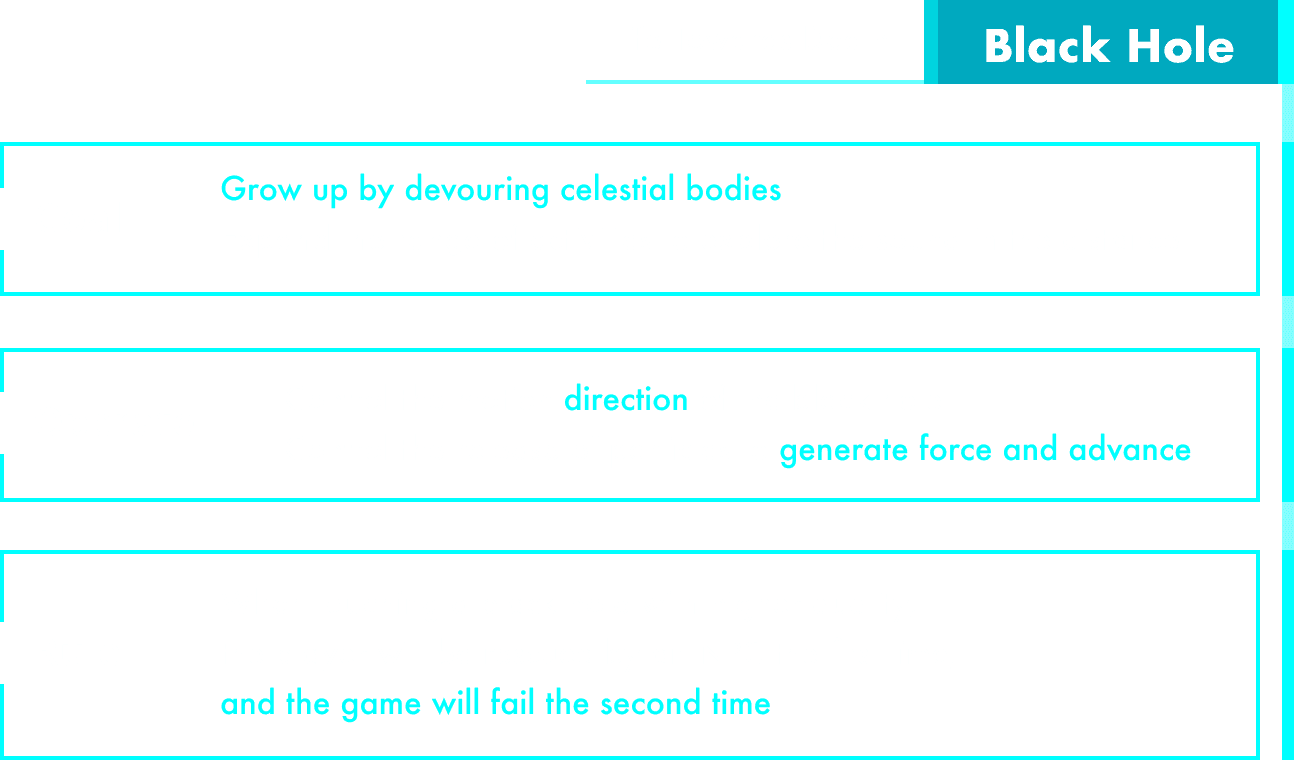
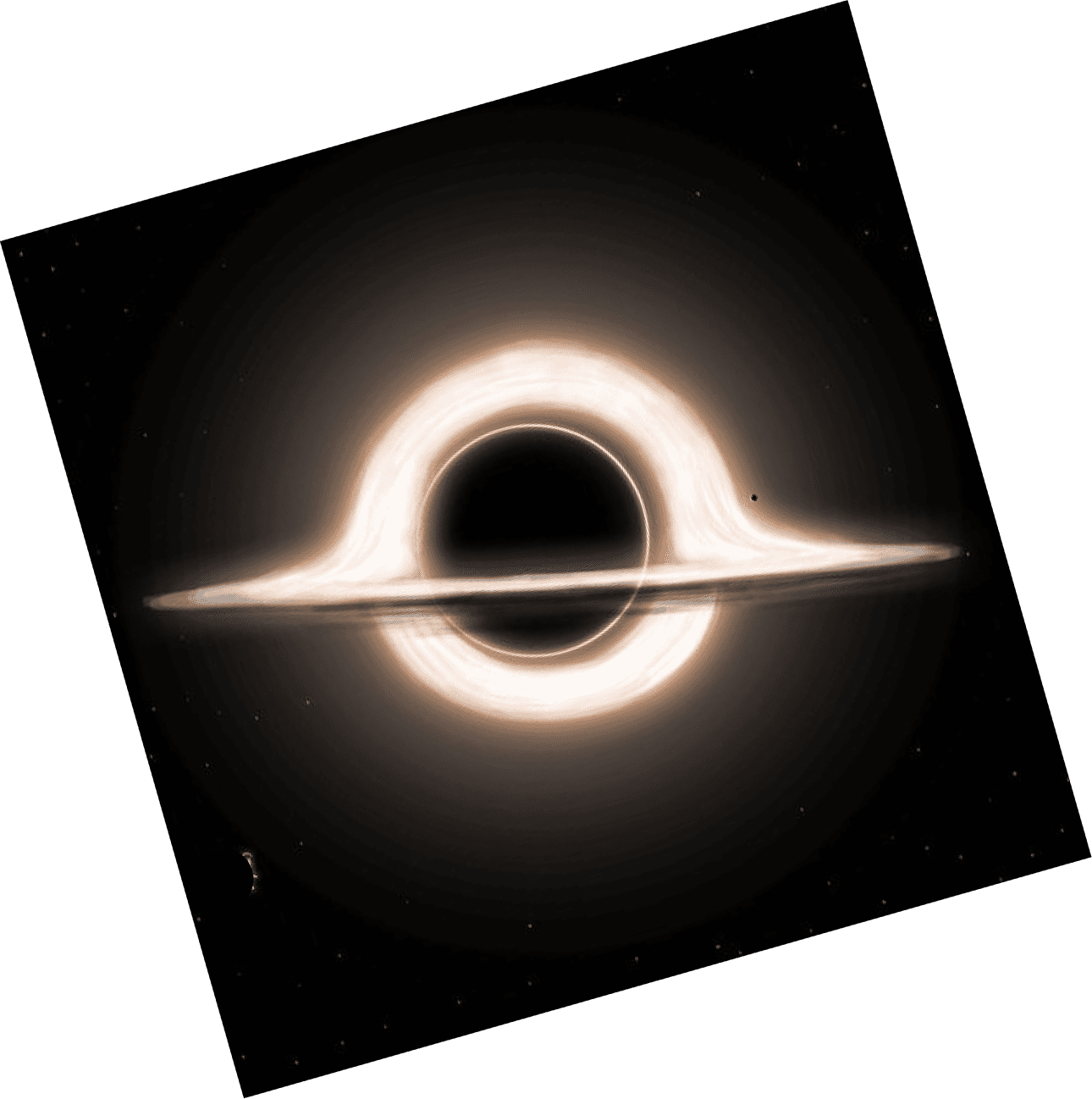
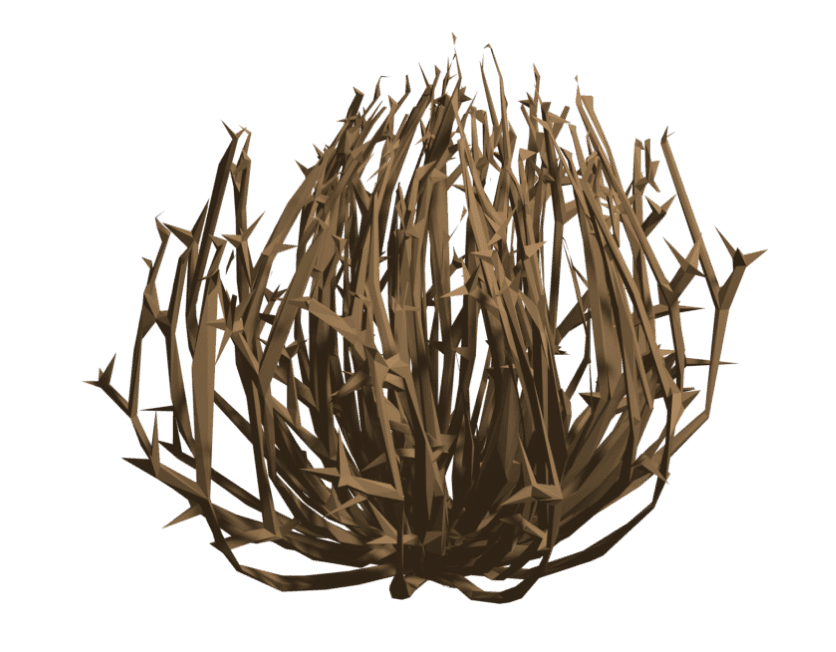
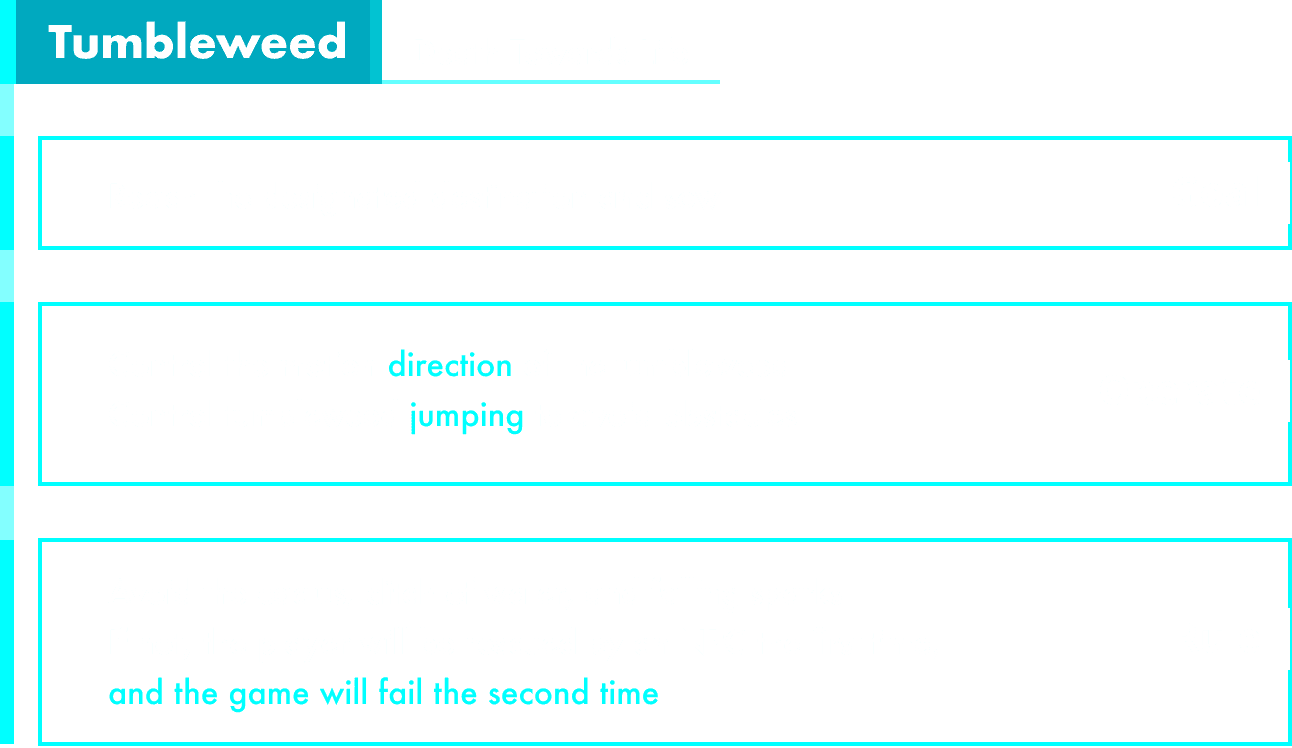
The pairing was also intentional: the black hole is life towards death — growing endlessly until collapse. The tumbleweed is death towards life — already dying, yet completing one final act of creation by sowing its seeds. The two roles mirror each other philosophically, so players who complete both feel the full cycle of the world view.
The tumbleweed specifically was chosen over other plants because its natural movement mechanics — rolling across terrain, navigating obstacles — translate directly into engaging gameplay. A stationary plant couldn't carry a journey.
The core experience is about embodiment — players aren't controlling a character, they are the character. With a trackball, the player's hands literally roll a sphere to move the black hole or tumbleweed. The controller's form mirrors the life form being inhabited. This is an embodied metaphor: the interface itself encodes the identity of the character. A gamepad is abstract input; the trackball makes your hands part of the world.
The NPC appears without warning on the player's first failure. No explanation is given. They simply arrive and save you.
This design is rooted in a piece of writing that became the emotional core of the project:
The NPC embodies this idea. Across reincarnations — as a black hole, as a tumbleweed, as whatever form consciousness takes next — the bonds between lives don't disappear. They just change shape. Someone who mattered to you will find you again, even when neither of you has a name.
Story Structure
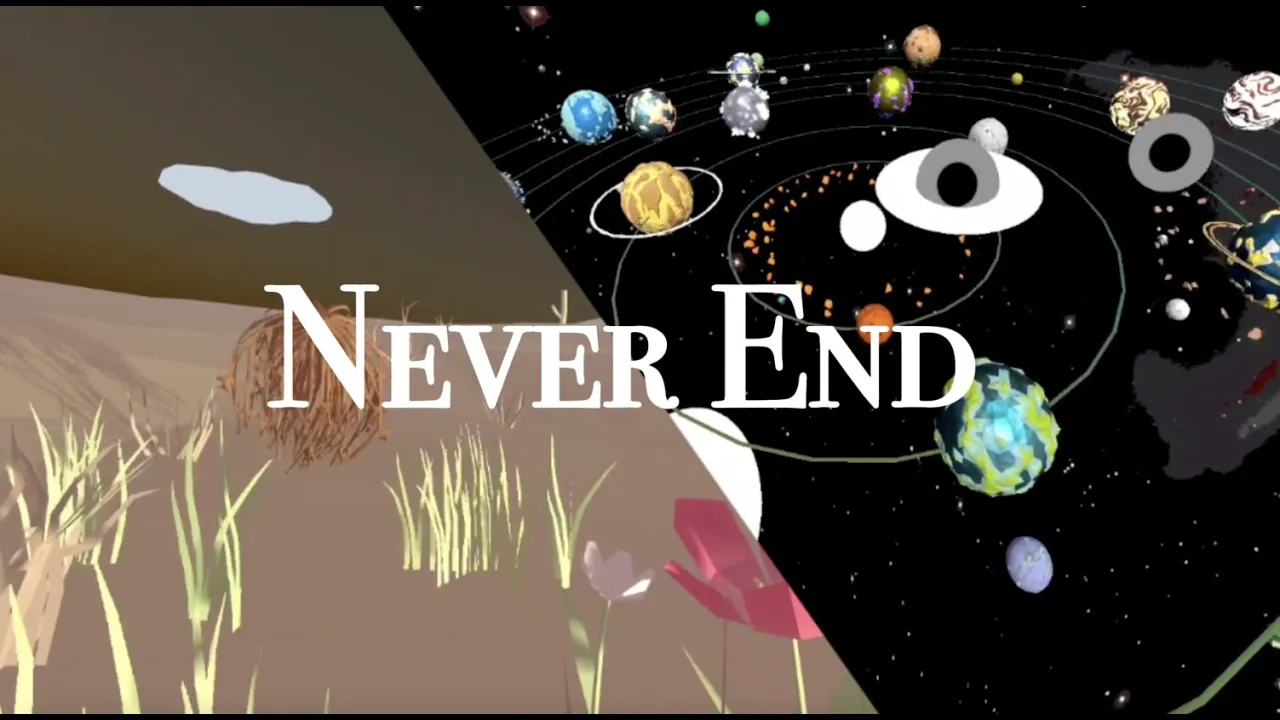
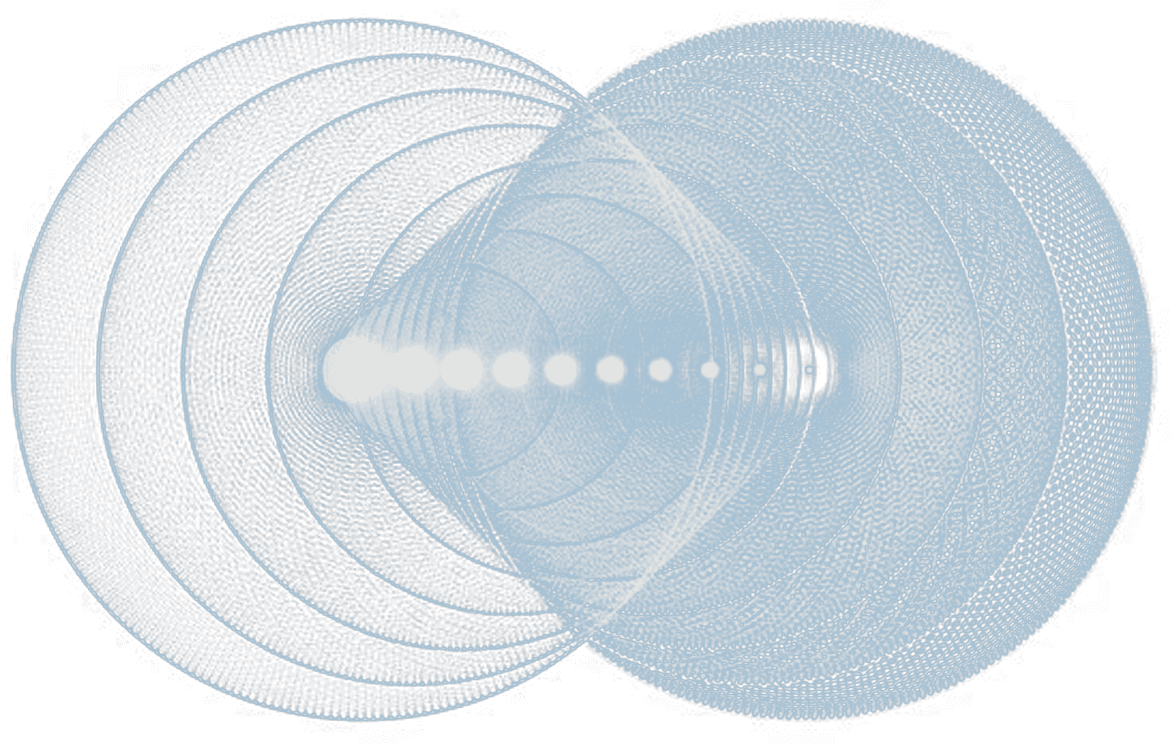
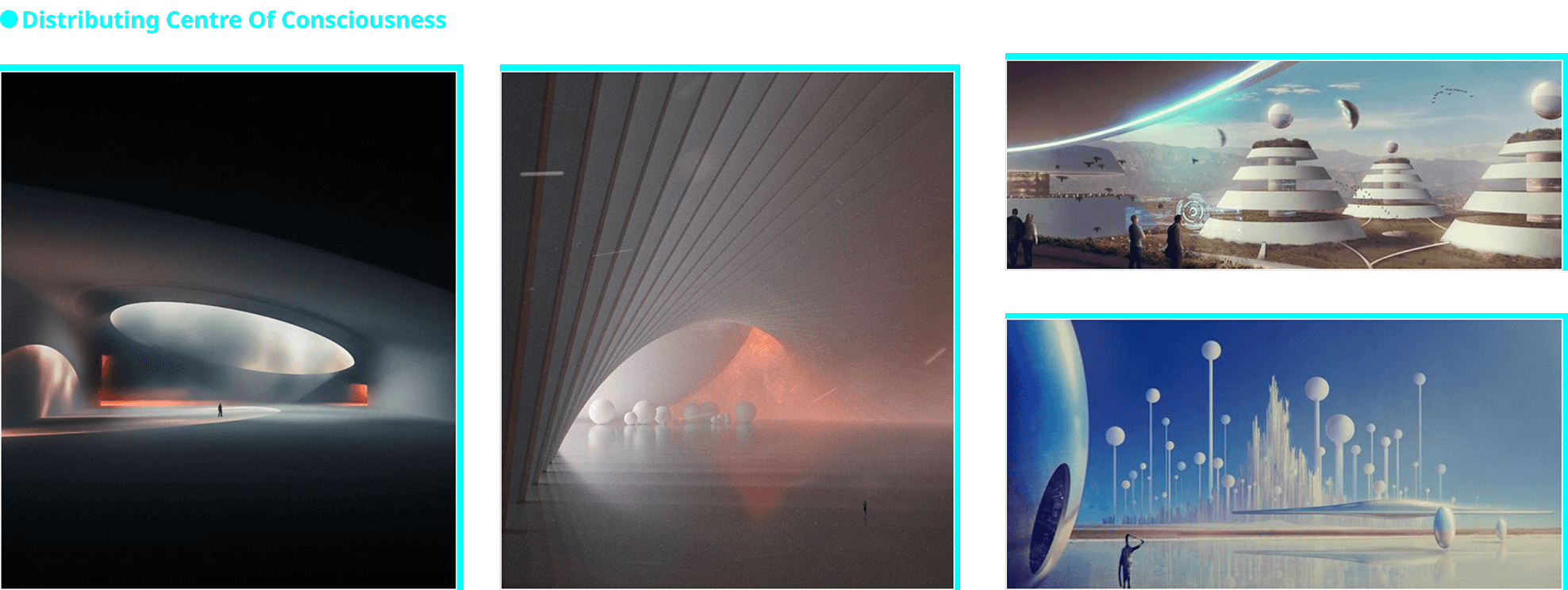
The game opens at the Place of Consciousness — a gathering station for dissipated souls. The player chooses a vessel and embarks on one of two intertwined journeys.
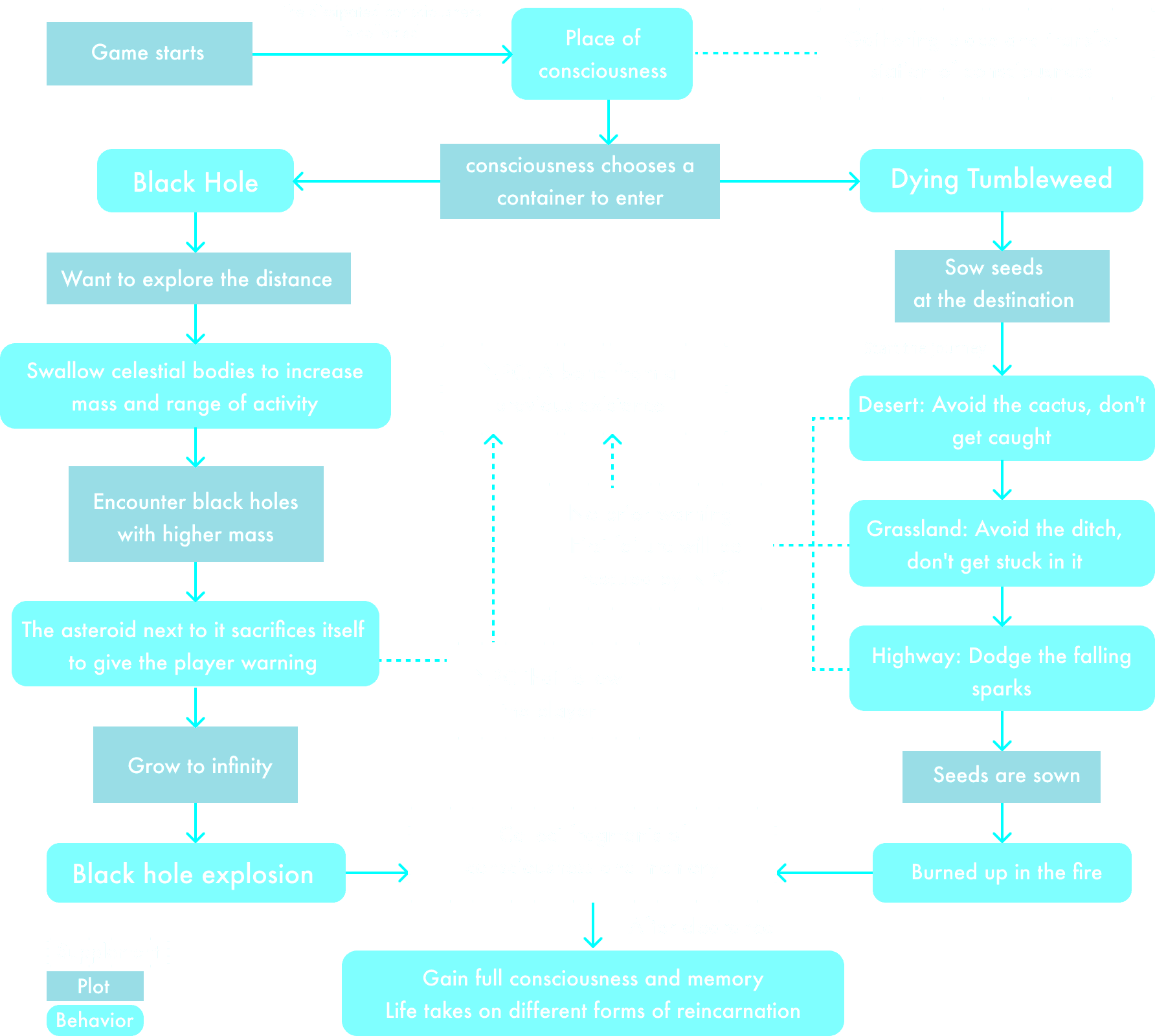
Black Hole — Life towards death
Devour celestial bodies to grow. Encounter a larger black hole. The NPC — a bond from a past life — appears on first failure. Grow to infinity, then explode. Scatter consciousness and memory.
Tumbleweed — Death towards life
A dying plant's final mission: reach the destination and sow seeds. Cross desert, grassland, and highway. Dodge cacti, ditches, sparks. Burn up in fire — seeds are sown.
NARRATIVE DESIGN CHOICE
The ending deliberately subverts the player's sense of victory. What they thought they achieved is reversed — prompting reflection rather than celebration. The game stops being a game and starts being a question.
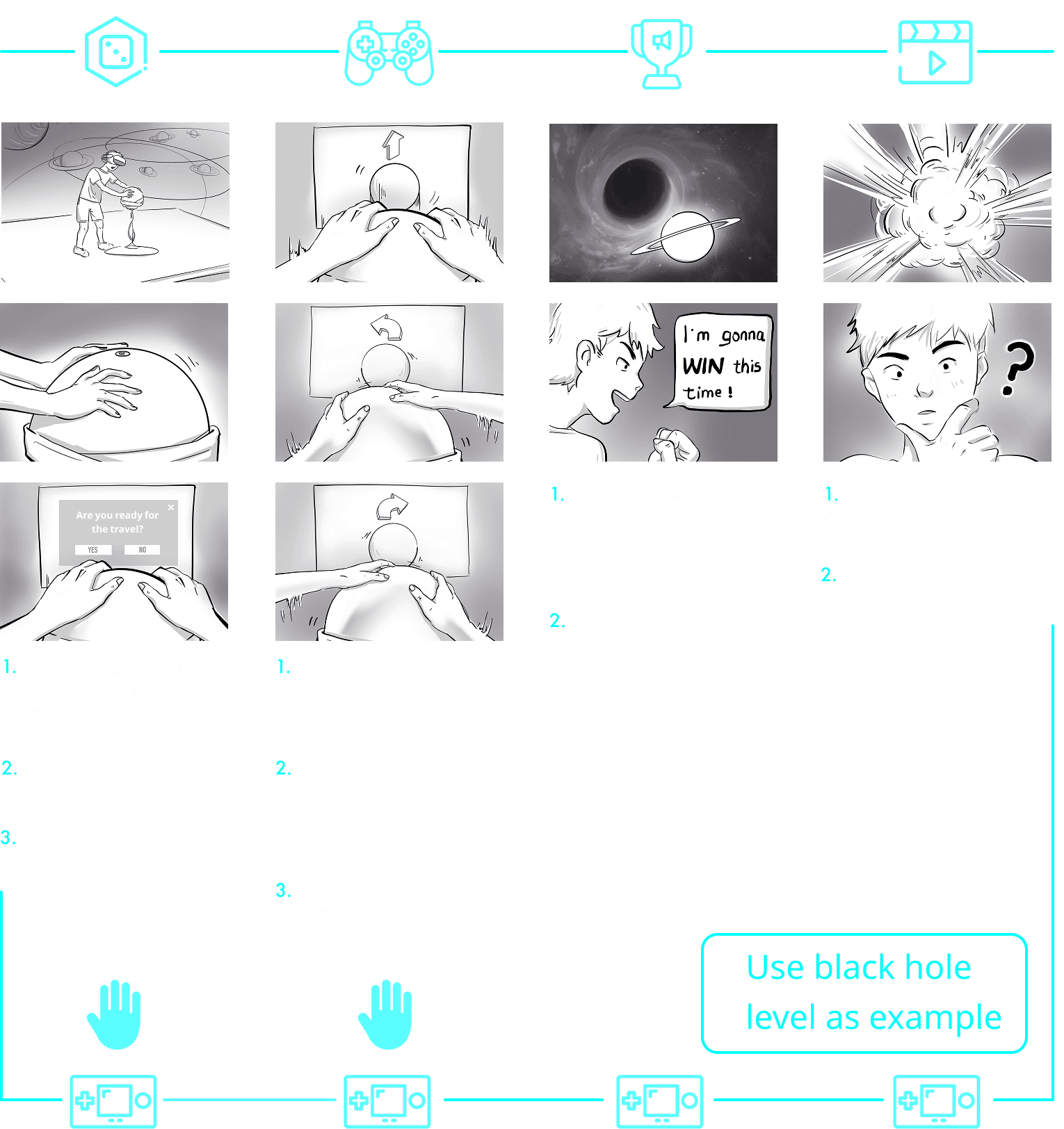
User Gameflow
Onboarding
Play
Win condition
Reflection
Testing & Outcomes
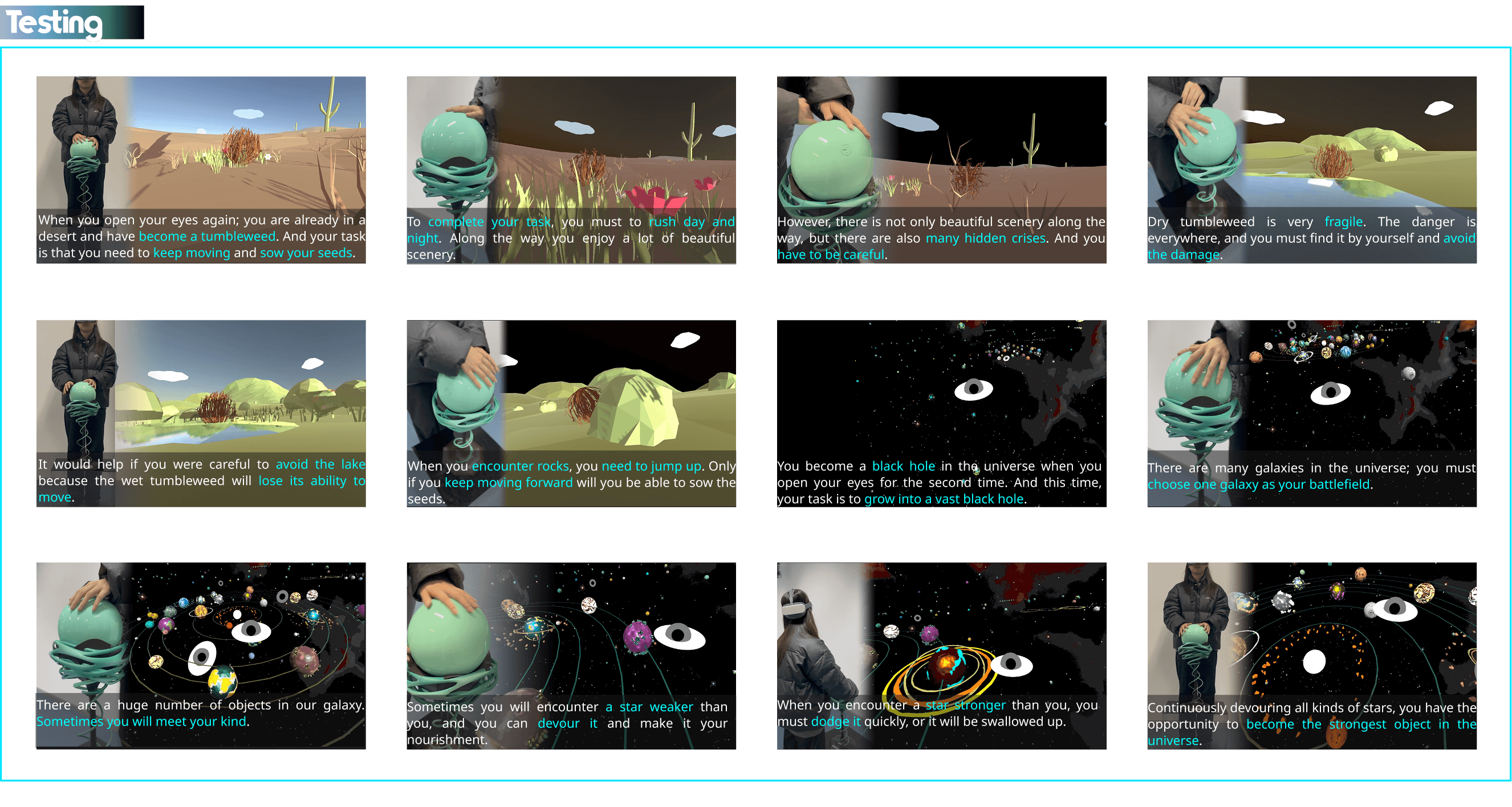
After completing the prototype, I invited participants to playtest and collected qualitative feedback on both the interaction mechanics and the emotional experience.
INTERACTION FEEDBACK
The most immediate feedback was on the trackball sensitivity — the initial calibration felt either too responsive or too sluggish depending on the user's movement style. I iterated on the sensitivity curve to create a more consistent and learnable feel across different users.
EMOTIONAL FEEDBACK
EXPACTED OUTCONE
Players would gain a new perspective on death.
UNEXPACTED OUTCONE
Several players reported that while our theme was death, the experience gave them a new appreciation of their current life — "life is about experience." We designed for the end; they found meaning in the present.
Reflection & Future Direction
Reflaction
For Project Theme
Humans have an innate fear of death because it means eternal goodbye and loss. But this meaning is given by the subjective human consciousness.
Don't be afraid of death, and don't be scared to say goodbye; those you miss may always be by your side.
Don't drown in sorrow; pay attention to your surroundings; maybe you are on your way to meet.
For Project Design
If other players act as NPCs, the interactivity will be more vital, and the player's immersion experience will improve.
Adding surround speakers can stimulate the players' sense of hearing, sight, and touch and enhance the game's playability.
Increase the dialogue scenario with other game objects, enhancing the playability.
For Team Work
We tried interdisciplinary methods, using techniques from different disciplines to build a complete user experience environment.
We realized that the realization of a project does not only rely on a single visual design but also requires the participation of multiple disciplines to present the perfect state. Interdisciplinary design can offer a project from various dimensions.
Human-centered design should consider as many aspects of the user's experience as possible, including but not limited to visuals, not just a single element of the touch.
Furure Plan